

I can’t believe it’s time for another Round Robin. (I say this every month! Life is galloping away with me.)
Today’s theme has got me thinking hard again. What current issues are important to you? How often do modern social/global issues have a place in your stories?

These are both great questions. Here is my answer to the first question (or part answer, as I could write much more): One of the items in the news that has
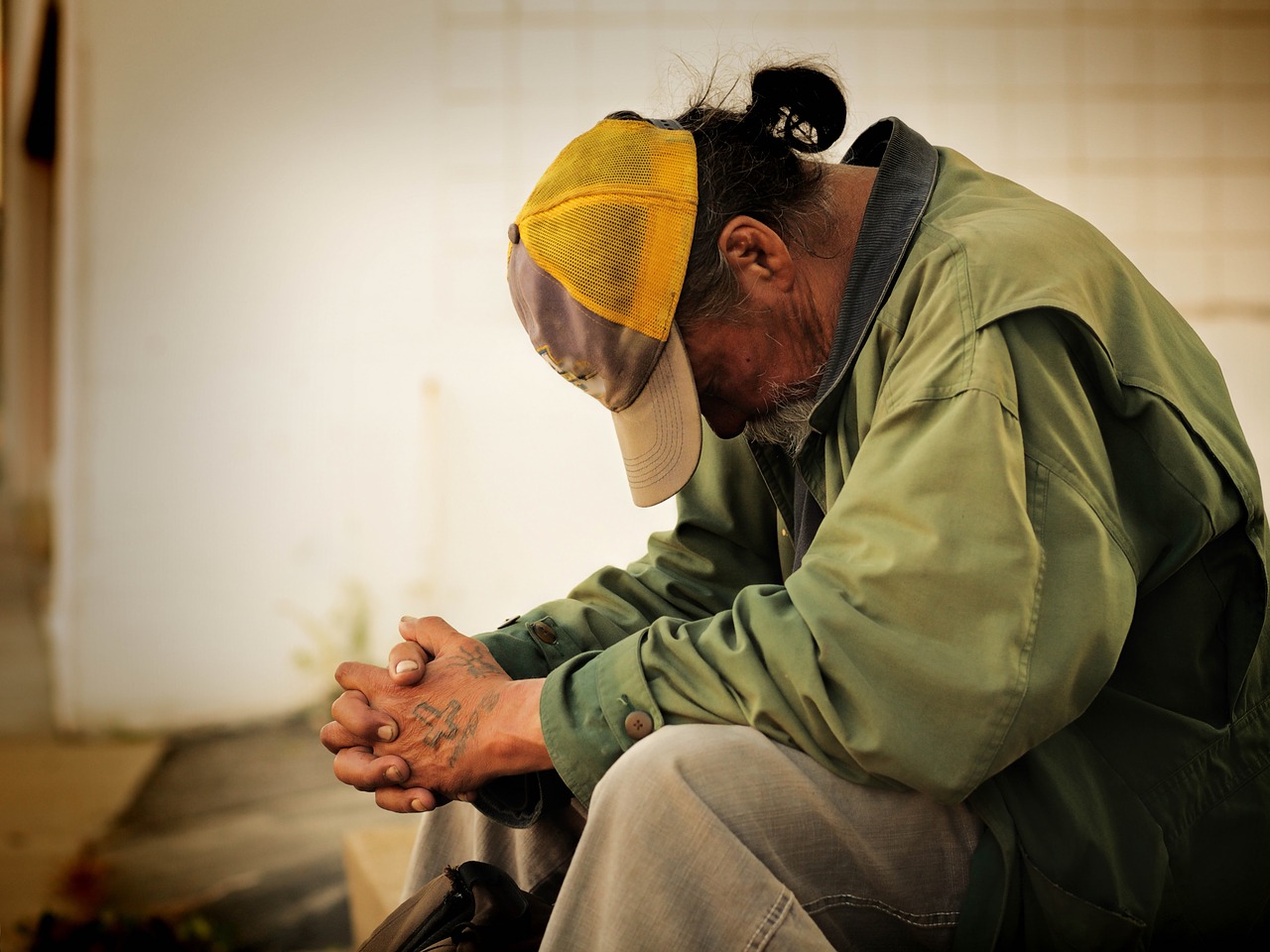
really affected me recently – and has affected millions of us – is the sight of refugees from Syria and north Africa making desperate attempts to get into safer countries in Europe. What extraordinary and heartrending sights we’ve seen from the safety of our living-rooms. Young men risking their lives to get into the Channel tunnel (at least ten have died); whole families walking hundreds of miles by the side of a busy road to reach Germany; flimsy dinghies washed up on beaches in Greece. And I don’t think I’ll ever forget the terrible sight of a toddler lying dead on a beach, and his grieving father. All of these stories have given me a terrible sense of impotence, along with anger at the governments of the world – in particular, those of the countries who are the cause of this distress to innocent people, but also anger against the governments of the developed world. People are dying. Why are we not able to join together to help? And what can I do as an individual to help these people, apart from give money to charities who are trying to provide assistance? It’s a terrible thing to watch people in distress and feel as though you should be helping, but you can’t.
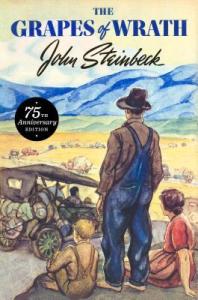 I know there are many writers in the past who have addressed social issues in their work. The author who I always think of when I see these images of migrants is John Steinbeck and his novel The Grapes of Wrath. This book told the true story of how hard-working farming families were driven out of their homes in Oklahoma and were forced to travel west to California to look for work. Although the story is set almost a hundred years ago, the tragedy that befell these farmers and the situation of present-day migrants are so similar, it’s heart-rending. I’d love to say that writing can change the world – but have we really learned nothing in a hundred years?
As for whether my own writing deals with social issues, I write romance and commercial women’s fiction, and like most novels in this genre my stories are about the lives of ordinary women. I like to create characters who have real problems, and social issues are bound to impact on their lives, as they do for most women I know. In The Silk Romance, for example, the heroine’s father suffers from depression after his wife has died, and the heroine has had to make some sacrifices in order to look after the family. The provision of care for people suffering from mental health problems in this country isn’t great, and the fact that Sophie has taken on the burden of care reflects how hard it is for family members to cope.
Kate, the heroine of A Way from Heart to Heart, was brought up in care after her relationship with her mother broke down. Children brought up in care face far more problems as teenagers than others, and this novel deals with the issues facing a group of disadvantaged teenagers, and the work of a charity to try and help them gain the skills they’ll need in the future.
These sound like serious reads, but as my books are romances I like to think they aren’t depressing – they’re positive and optimistic stories about how people can overcome personal difficulties. Of course when you watch the news, and you see that people are actually dying whilst trying to take care of their families, then perhaps my stories – with their happy endings – aren’t realistic. But personally I think there is enough misery in the world around us, and having something to read that gives you hope that things could actually turn out OK isn’t necessarily a bad thing. I wonder if you asked the people waiting in the camps in Calais what they would prefer to read during the long days – a book with a happy ending, or a “realistic” book that reflects the unhappiness of their own lives – what would they choose? Having suffered personal tragedy in my own life, I know which one I’d go for.
* * *
I’d like to thank Rhobin Courtright for another great topic.
How about you? What news story has affected you recently? As a reader, do you prefer to read fiction that allows you to escape from harsh reality, or do you think fiction should always reflect social issues? If you’re a writer, do you incorporate social issues in your novels?
If you have any comments at all on this interesting subject, I’d love to hear from you.
And if you’d like to read what other authors have to say, please follow the links below.
Skye Taylor http://www.skye-writer.com/blogging_by_the_sea
A.J. Maguire http://ajmaguire.wordpress.com/
Beverley Bateman http://beverleybateman.blogspot.ca/
Margaret Fieland http://www.margaretfieland.com/blog1/
Marci Baun http://www.marcibaun.com/blog/
Victoria Chatham http://victoriachatham.webs.com/
Connie Vines http://connievines.blogspot.com/
Bob Rich http://wp.me/p3Xihq-vQ
Rachael Kosinski http://rachaelkosinski.weebly.com/
Helena Fairfax https://helenafairfax.com/
Judith Copek http://lynx-sis.blogspot.com/
Rhobin Courtright http://www.rhobinleecourtright.com/


 Helena Fairfax
Leave a Reply