

Another month, and another authors’ Round Robin. This month the topic has been set by author Skye Taylor

How do you create compelling conflict without using clichés?
I write and edit romance novels, and so in this post I’ve chosen to write specifically about romantic conflict.
Romance novels revolve around the tension between the main characters. I’ve written before about how people look down on the romance genre, but my feeling is a story that is character-driven rather than plot-driven is much harder to write. You have to keep readers glued to the page without any of the plot devices of murder, mayhem, car chases and bombs. The developing relationship provides all of the tension.

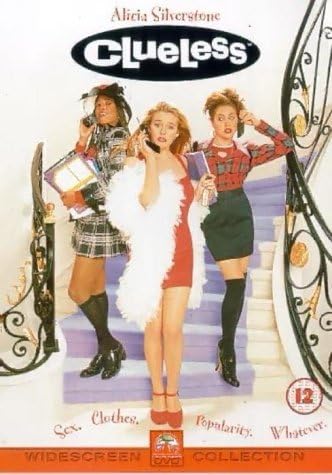
When I watched the film Clueless with my husband (the film is loosely based on Jane Austen’s Emma), he told me he thought ‘nothing happened’ … and I gasped aloud! Everything happens! The film – and the novel – are chock full of conflict! (More on Clueless below.)
When people pick up a romance novel, or watch a romcom, they already know what’s going to happen in the final scenes. What keeps the reader glued to the page is wondering how on earth these characters are going to get their happy ending. And what keeps the characters apart is conflict – something in their past, their beliefs, their goals that makes it absolutely impossible for them to unite, even though they’re made for one another.
Below are some tips on creating compelling romantic conflict. But first, here’s what conflict isn’t.
Romantic conflict is not:
Fighting, arguing or disagreeing for the sake of it. I’ve found people who never read romance novels often think this is what they’re all about, until magically the couple fall in love and get their happy ending. Romantic conflict is much deeper than just arguing
Failure to communicate, or a misunderstanding. If the problem can be resolved with a simple conversation, just like in real life readers will be left dissatisfied with the couple – and wanting to knock their heads together!
Creating believable, compelling romantic conflict
Romantic conflict is something at the heart of the characters’ personalities, characters or their past that makes it seem impossible for the two of them ever to be able to get together.
Romantic conflict is often called ‘internal conflict’ because it’s something inside the character – a character flaw or a reaction to a past experience, or a goal they are committed to – that makes it difficult for her/him to commit to the other person.
Creating credible romantic conflict is one of the things that, for me, makes romance the most difficult genre to write. If two single people are madly in love and made for one another, what is there these days to prevent them getting together? Of course there’s always being afraid of commitment – but this seems a bit of a cliché.
How do you keep the romantic conflict fresh and engaging?
Below are some examples of successful romantic conflict, and also some examples of how I’ve tried to create believable conflict in my own novels
Clueless In this film the heroine, Cher, is the only child of a wealthy businessman. When Josh comes to stay with them, he finds her spoilt, vain and entitled, while Cher thinks he’s self-righteous and boring. Of course there’s an element of truth to both these things! But as the story progresses, they come to see each other’s finer qualities of kindness, positivity and generosity. As in the best romances, they each have to change a little to get their happy ending.
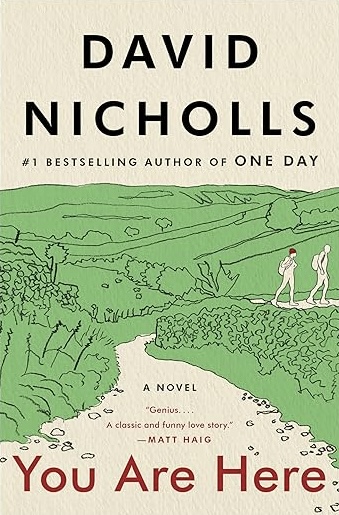
You Are Here, by David Nicholls. I finished reading this novel recently, and loved it. Nicholls has called it ‘the best novel he’s ever written’. The heroine, Marnie, is lacking in confidence in relationships, after a previous experience. During a walk in the Lakes, she and the hero, Michael, begin to fall in love. The conflict comes from the fact Michael is getting divorced…and is still in love with his wife.
And by the way, Nicholls avoids clichés by giving this romantic couple jobs people generally feel are done by ‘boring’ people. The hero is a geography teacher, and the heroine a copy editor. (I was particularly delighted about this as an editor myself 😊 )
I’ve summed this story in a line or two, but actually the emotions are much deeper and more complicate than I’ve given them justice. I highly recommend!

Pride and Prejudice, by Jane Austen. Well, the title says it all in this classic from the mistress of romantic fiction. It’s Darcy’s pride and Lizzie’s prejudice that keep the couple from getting together. They each have to soften before they can get their happy ending.
This is another story, like Clueless, in which ‘nothing happens’. There are balls, visits to the countryside and to stately homes – and yet when I first read this book as a teenager I was absolutely gripped to the page with the drama and conflict.
Romantic conflict is so key to a story, in my own romantic novels, the very first thing I do is try to find a reason why these two characters can’t be together. This may just start off as a germ of an idea, and it’s not until I’m writing the novel itself that the conflict, the characters and the emotions truly begin to take shape.
After this, I work as hard as I can on giving my hero and heroine a hard time, so that when they finally do get their happy ending, I can give readers have that satisfying ‘ah’ moment.
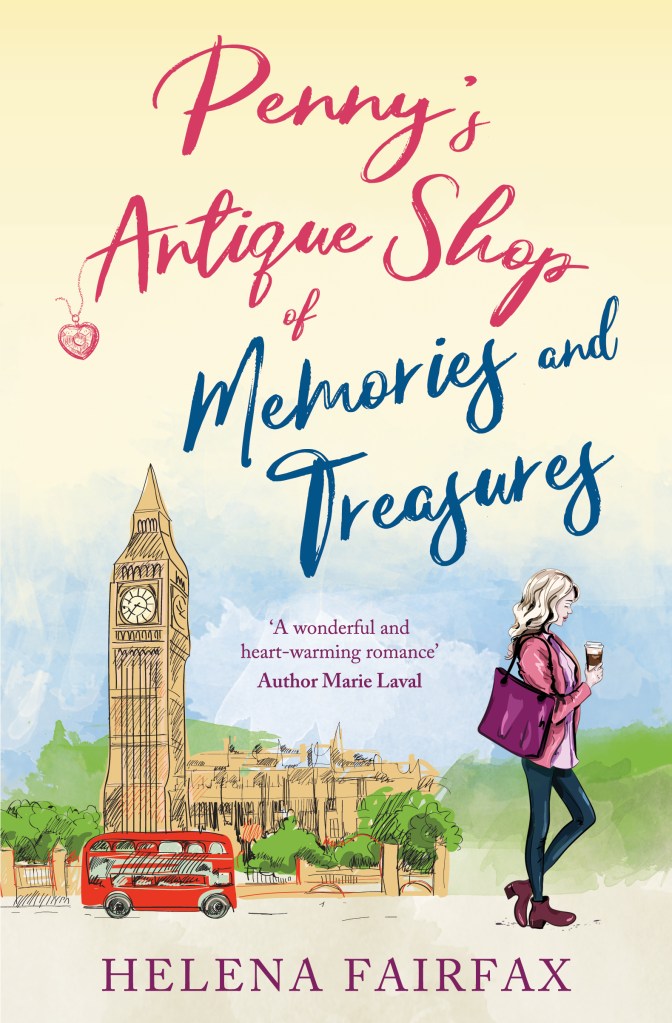
In Penny’s Antique Shop of Memories and Treasures, Kurt (or ‘Kurt by name and curt by nature’, as Penny calls him) has decided love is a fool’s game. It never brought his father anything but pain after his mother left for someone else. Kurt’s aim is to marry for ‘sensible’ reasons, and not for true love.
The heroine, Penny, is one of the world’s great romantics. She’s been brought up to feel second best, and is determined that when she marries, it will only be to someone who truly loves her for who she is. So when Kurt, who she’s helplessly in love with, makes his ‘sensible’ suggestion of marriage, she refuses outright.
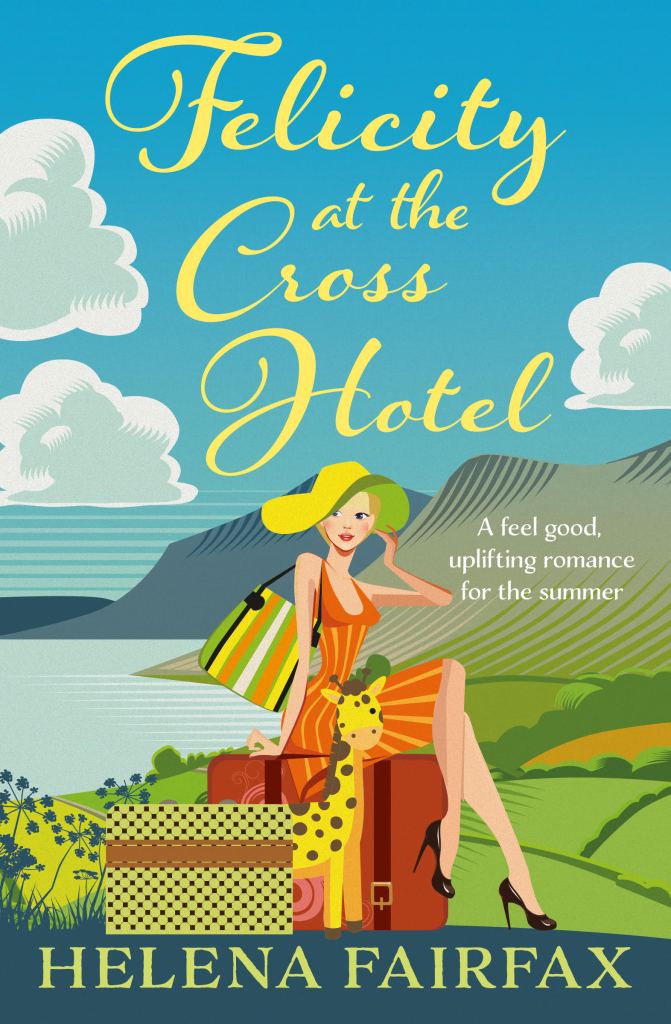
In Felicity at the Cross Hotel, the hero, Patrick, has come home to run his family’s hotel in the Lake District, after the death of his father. The last person he plans to fall in love with is Felicity, whose family own a hotel chain and who have their eye on buying him out. Besides, a childhood tragedy means he has no intention of staying long in the Lakes. His dreams lie elsewhere.
As for Felicity, there’s no way she can stay at the Cross Hotel, as she owes her loyalty to her father’s business. How can the two possibly come together with their separate goals?
The path of true love never does run smooth
When I wrote my first novel, I was advised by my editor to concentrate on the romantic conflict and give it as much depth as possible. Now when I’m editing, I find myself giving the same advice.
One suggestion I like is to think of your favourite romance novels or romantic films and think about what it is exactly that’s stopping the couple getting together. How is this resolved? How do they change in order to get their happy ending?
There is lots more that can be said on the subject of romantic conflict than I can fit in this post. One book I’ve found useful is Leigh Michaels’ Writing the Romance Novel: Crafting a Story that Sells, which has an excellent section on this topic.
*
I hope you’ve found this month’s topic useful. If you’d like to hear what the other authors in the Round Robin have to say on conflict, please click on the links below!
(The book with hearts image in this post is by Pepitas And Pepitas from Pixabay)
Bob Richhttps://wp.me/p3Xihq-3sY
Belinda Edwards https://booksbybelinda.com/blog/
Connie Vines http://mizging.blogspot.com/
Sally Odgers https://behindsallysbooksmark2.blogspot.com
AJ Maguire http://ajmaguire.wordpress.com/
Skye Taylor http://www.skye-writer.com/blogging_by_the_sea


 Helena Fairfax
Leave a Reply