
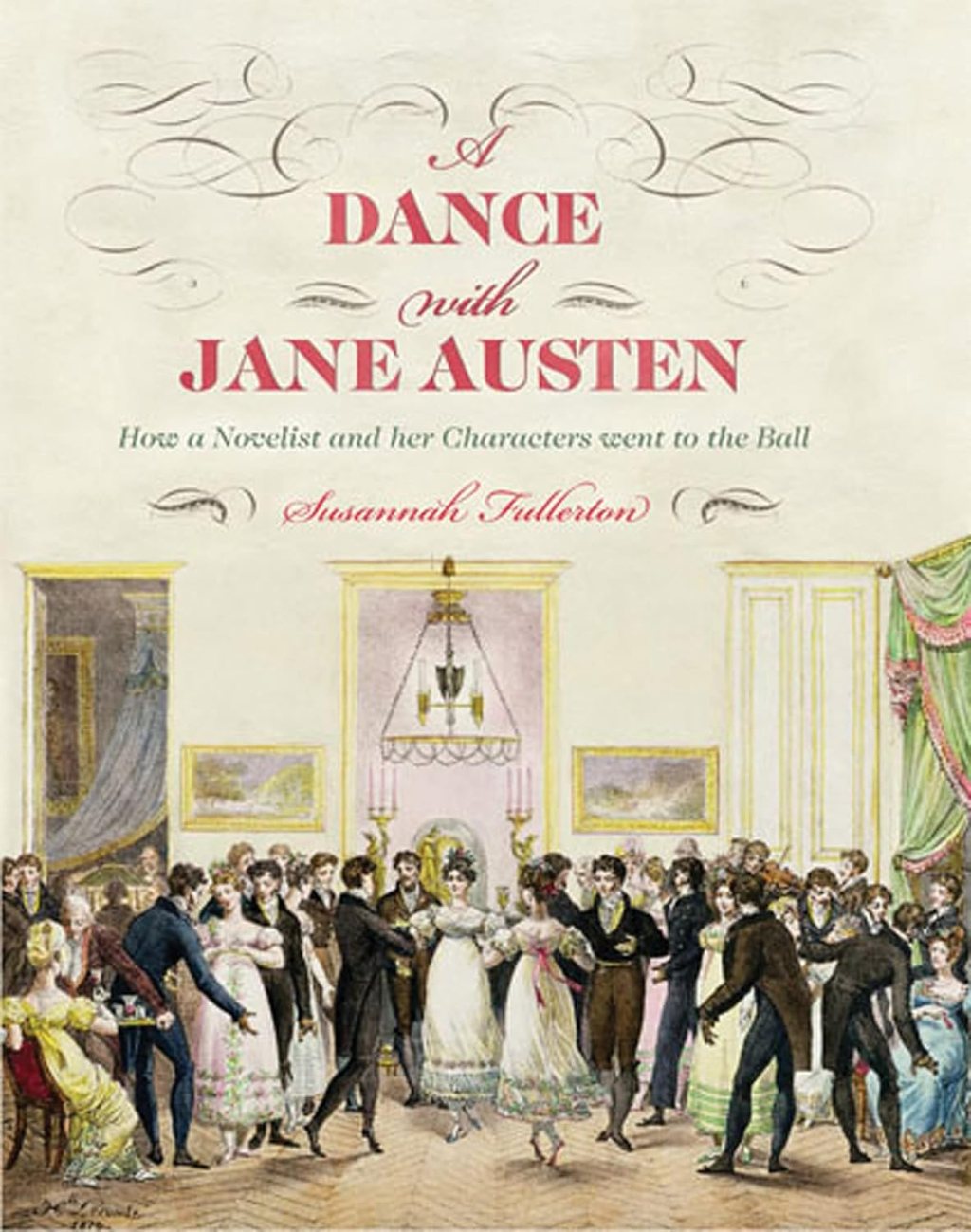
Jane Austen loved dancing. At the time her novels were published, she wouldn’t have had to explain the etiquette of the ballroom to the readers of her day, or describe the type of dishes that would have been provided for supper, or the kind of dances and music played. Balls played a vital role in the social life of the middle- and upper-classes, and Jane Austen’s readers would have been well aware of what was involved, with the strict dress code, the sometimes dizzying displays of food and flowers, and the massively complicated dance steps that took hours to rehearse.
Here are some of the things I’ve learned about the ritual of the Regency ball:
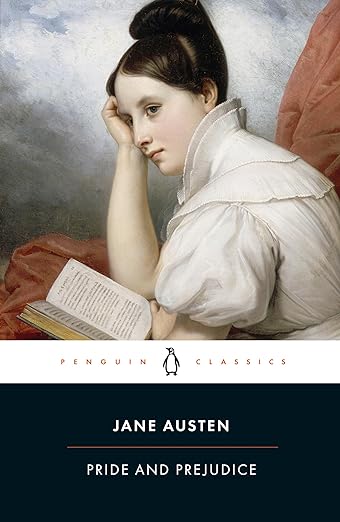
- If a woman refused to dance with a man, that meant she had to refuse everyone else as well. In Pride and Prejudice, when Mr Collins asks Elizabeth to dance the first two dances at Netherfield, etiquette forces her to accept, or else sit out the whole ball.
- Dances could go on for fifteen minutes, and sometimes up to an incredible half an hour. So if you were dancing with a terrible dancer, or someone you didn’t really like (such as Mr Collins), it must have been a sort of torture.
- A man can only ask a woman to dance if he has been formally introduced to her. At his first ball in Meryton, Darcy refuses to be introduced to any of the young women in the room. He will dance with only the people he knows – the snob!
- A man mustn’t introduce himself to another man who is of superior social status. When Mr Collins insists on introducing himself to Mr Darcy, Elizabeth is mortified. Darcy shows a sort of cold surprise at Mr Collins approach. He answers him civilly, before walking away.
There are millions of other little necessities of etiquette that would have been second nature to the people of the day, but which we would find a minefield. A couple shouldn’t dance more than two dances together, for example, or they would be the talk of the neighbourhood. Men had to wear short breeches and stockings, and not their usual pantaloons – unless they were in the army, when they could wear their uniform pantaloons and boots. The list goes on and on.
If you’re interested in all the unspoken rules, there’s a great list of them here on Regency Dances, put together by Thomas Wilson, a dance master of the time.
You may remember the Netherfield Ball in Pride and Prejudice. It’s the one where Darcy finally asks Elizabeth to dance, and she is so stunned she accepts. They have a fabulously tense conversation, in which Elizabeth is wittily rude, her ‘fine eyes’ flashing, and Darcy can’t seem to get enough of her sarcasm. All the while they are pretending to be polite to each other – and they still manage to remember all the complicated dance steps throughout. The undercurrent of sexual tension is brilliant. It’s one of the best scenes in the whole novel.
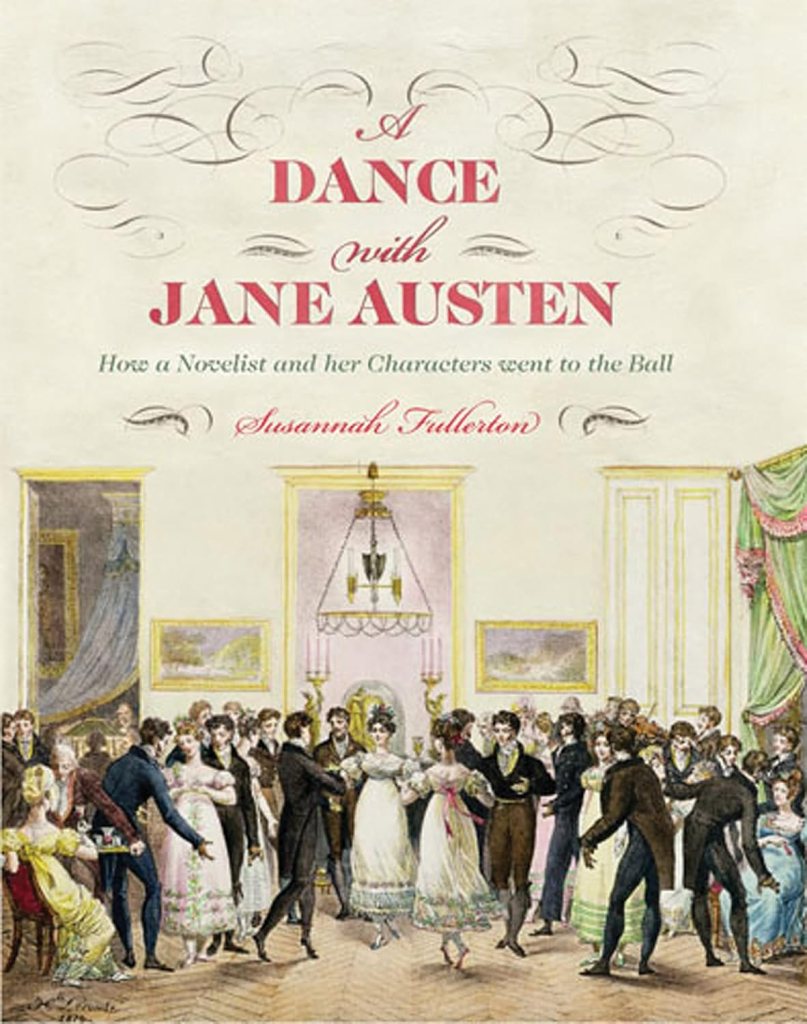
In A Dance with Jane Austen: How a Novelist and her Characters Went to the Ball, the author Susannah Fullerton describes how:
“Dances in the Regency era were almost the only opportunity young men and women had to be on their own without a chaperone right next to them, and dancing provided the exciting chance of physical touch…there was plenty of opportunity for flirtation, amorous glances, and pressing of hands. After the dance was over, there was all the pleasure of gossip about everything that had happened.”
Jane Austen is one of the absolute experts at using the ball scene for character development, and for the development of a romance.
Here are some of my favourite ball scenes in literature:
In Gone With the Wind, by Margaret Mitchell, if a woman lost a close family member, the rules were she had to go into strict mourning for a certain period of time. This meant wearing black and giving up all social engagements. After a while, the woman could progress to lilac or grey clothes, and was allowed to go to a ball, but under no circumstances was she allowed to dance.
Of course Scarlett O’Hara is absolutely fabulous in the novel’s ballroom scenes. She attends a ball whilst still wearing black for her first husband, persuading her scandalised aunt that as long as she doesn’t actually dance, no one will object, because the ball is for charity.
Of course she’s lomging to dance, and sick that everyone else gets to wear fine clothes. When Rhett Butler taunts her by bidding $150 (in gold) to lead her out in the first dance, she surprises him by accepting. Aunt Pittypat faints away with the embarrassment of it all, and once again Scarlett causes a scandal. The ball scene in the film is beautifully shot, and the conversations between Rhett and Scarlett make me laugh out loud.
In Georgette Heyer’s Sylvester, the heroine, Phoebe, has anonymously written a scathing satire about the Quality, making Sylvester, Duke of Salford the villain. (I wonder if Julia Quinn got the idea for Bridgerton‘s Lady Whistledown from this novel?)
One evening, in a dramatic ball scene, all comes to light. Sylvester asks Phoebe to dance, and they have a furious conversation on the dance floor, in which Sylvester is so angry, and upsets Phoebe so much, she leaves him standing on the dance floor and runs out.
Of course any sort of emotional outburst in public was absolutely frowned on in the day (apart from fainting or the vapours – which seem to be OK!) The argument, and particularly the fact that Phoebe makes a fool of Sylvester by abandoning him mid-dance, causes a massive scandal, and is the talk of the town. Phoebe is forced to consider leaving London because of it.
(Nowadays if everyone had to leave London after rowing with their partner in a night-club, the city would be pretty empty,)
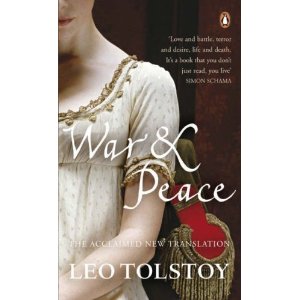
Leo Tolstoy’s War and Peace is one of my favourite books of all time. When I first read it as a teenager, I understood what makes Tolstoy such a great writer. He gets right into the heart of how the heroine, Natasha, feels as a teenager, entering a magnificent ballroom in all her finery, for the first time.
“..She felt her eyes growing misty, she saw nothing clearly, her pulse beat a hundred to the minute and the blood throbbed at her heart.”
In one short chapter, all the main characters – heroes and villains alike – are gathered together, and it’s where Natasha dances with the swoonworthy count Andrei Bolkonski for the first time.
I could never do justice to this scene or this book. You can read a snippet of the ballroom scene here on Classicreader if you’re interested, or else here’s a clip with the fabulous Audrey Hepburn.
And as Audrey Hepburn says at the end of the clip: “Don’t you just love dances?”
If you’d like to find out more, this blog on Regency fashion history, culture and lifestyle is a fund of information.
*Note: I first posted this article several years ago, before the Netflix Bridgerton series. I absolutely love their take on the whole ballroom scene!
Is there a particular ball scene you love, in film or books? Have I missed out one of your favourites? If so, please let me know in the comments – I’d love to hear from you!


 Helena Fairfax
Leave a Reply to Rule 6: There is no rule 6! | A Novel Approach Cancel reply