
 Earlier this week I listened to an Open Book programme on BBC Radio 4. It was an episode called Literary Landscapes: Ross Raisin and Yorkshire. The episode was billed as “a ramble through northern moorland and the works inspired by it”. Since this is exactly where I live, you can imagine how excited I was to listen to it.
Of course the literary figures most associated with the Yorkshire moors are the Bronte sisters, who lived in the village of Haworth. The moorland above the Bronte Parsonage is said to be the setting for Wuthering Heights.
When people talk of the moors they often mention their bleakness. Not much grows in this wild landscape except heather, bracken and gorse. But Charlotte Bronte wrote: ‘My sister Emily loved the moors. Flowers brighter than the rose bloomed from the blackest heath for her. Out of a sudden hollow in the hillside, her mind could make an Eden. She found in the bleak solitude many and dear delights, and best loved was liberty.’
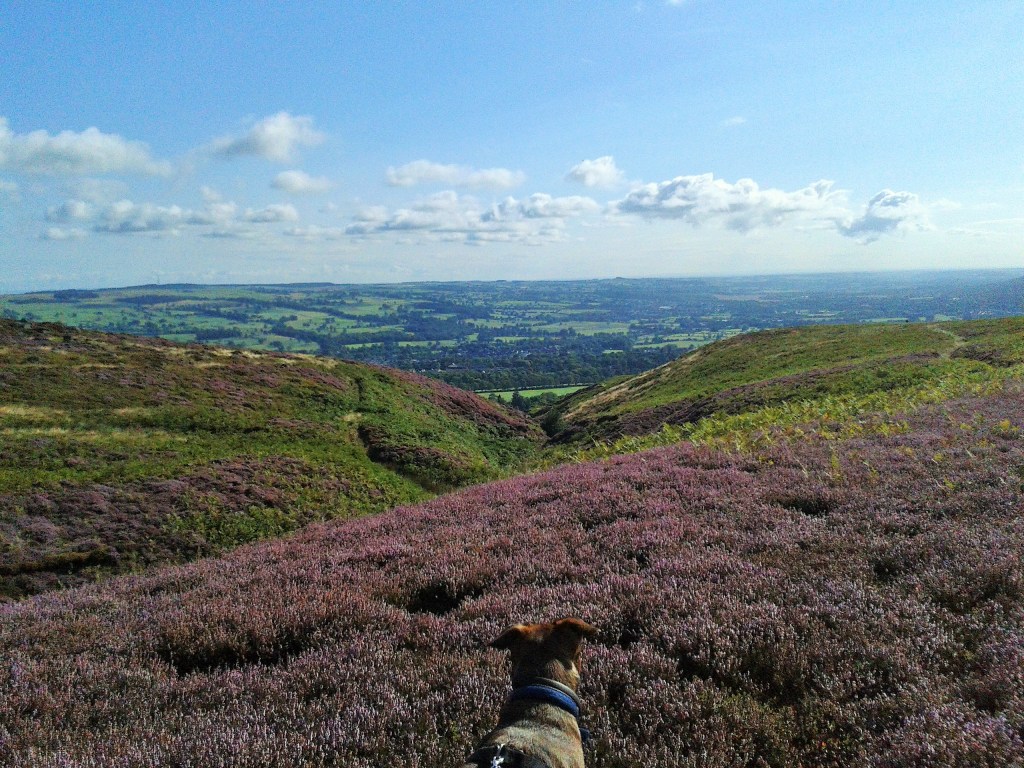
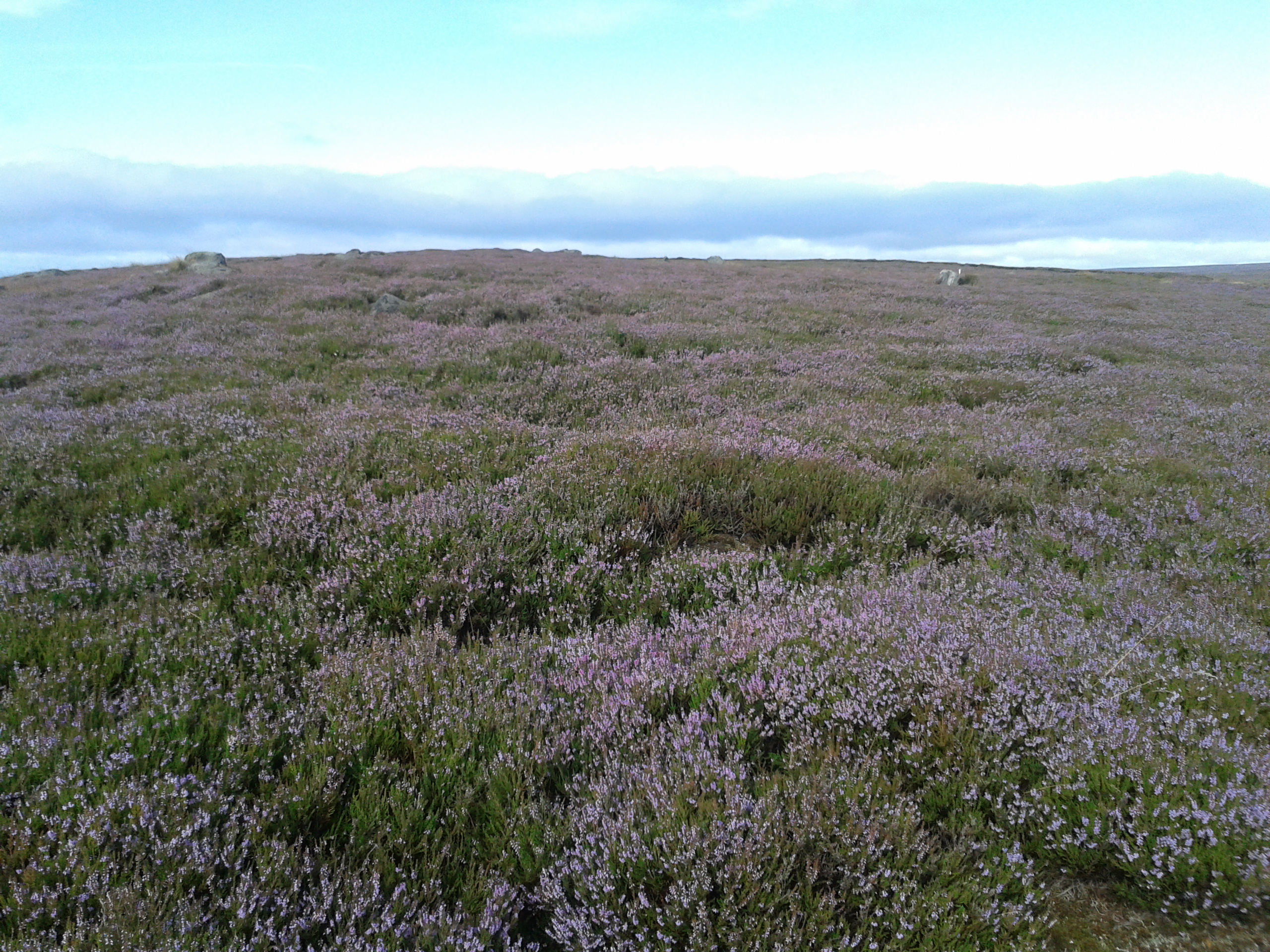
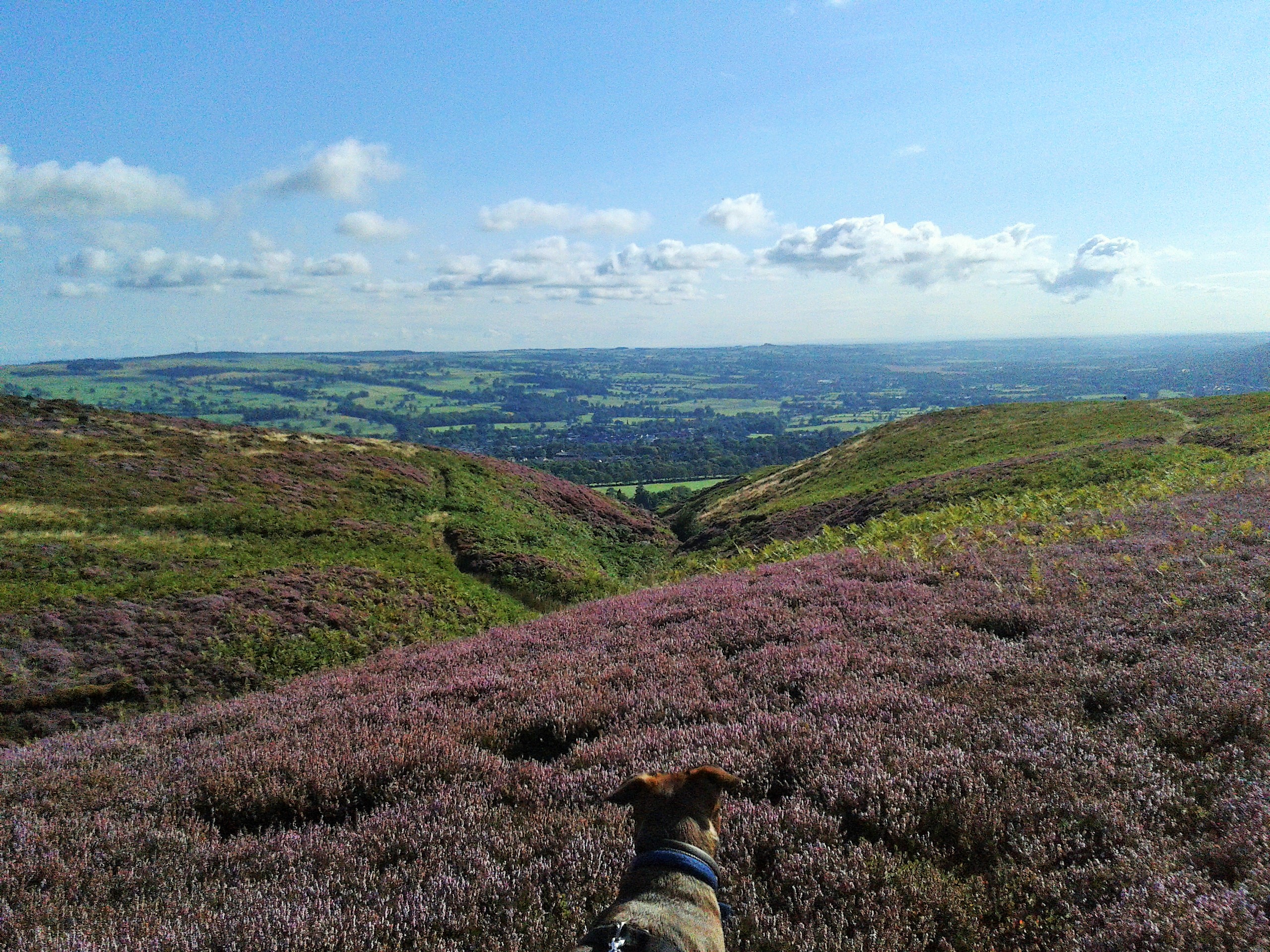
To me this is a wonderful description of what it feels like to walk the moors. In the summer, when the heather 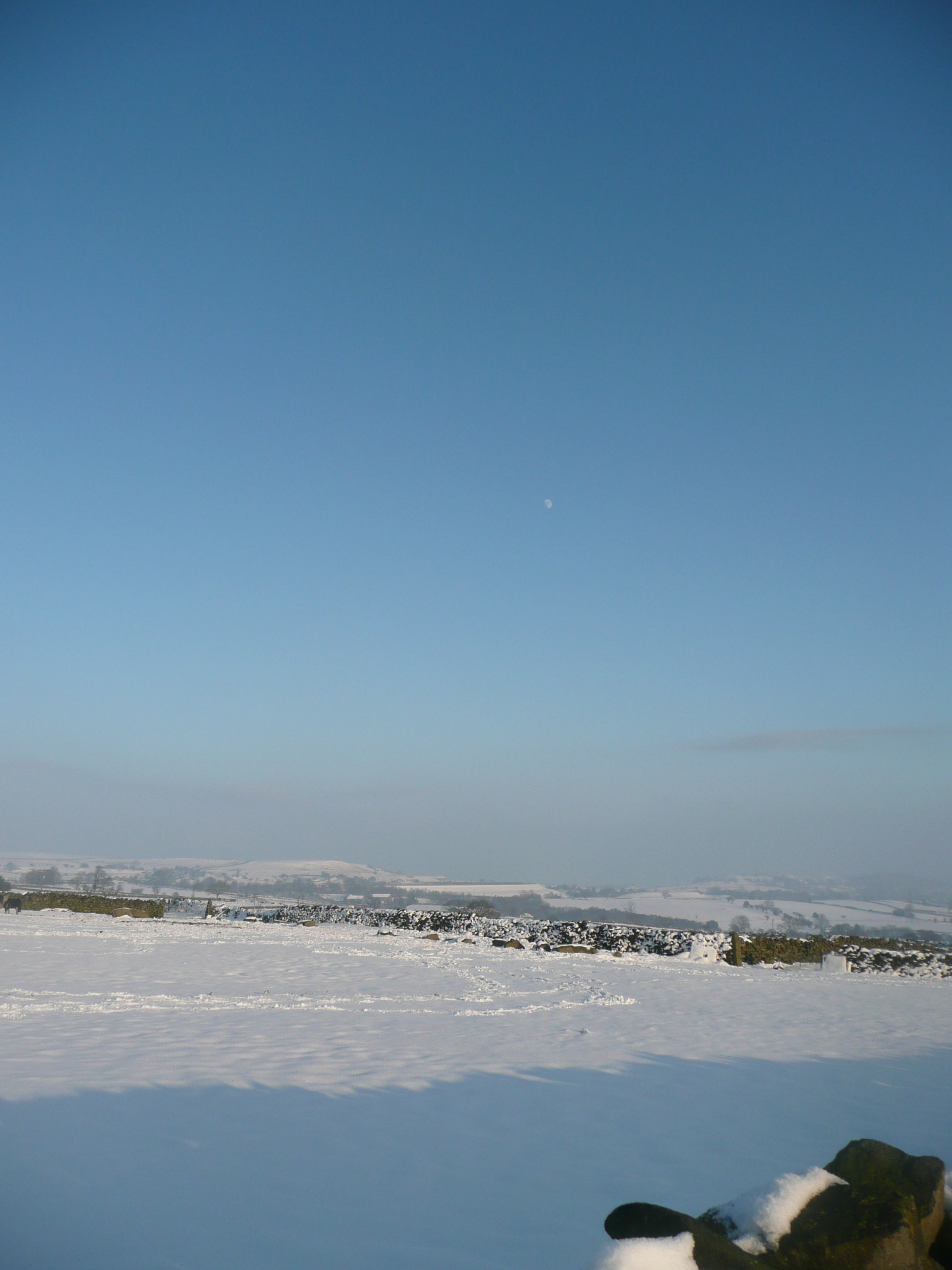 blooms purple and the sun shines, it’s not hard to find the landscape idyllic. But the weather can change in an instant. I’ve seen the sun disappear behind a cloud to be followed swiftly by hailstones which last only a few moments, and then the sun reappears. But even when the moors are at their bleakest, I feel as Emily did – that they are still an Eden, and a place of liberty.
The presenters of the radio programme mentioned several other authors who have been affected by this landscape. The poets Ted Hughes and Sylvia Plath visited Top Withens above the Bronte Parsonage, and there is a photo of Sylvia on the moors, looking elated.
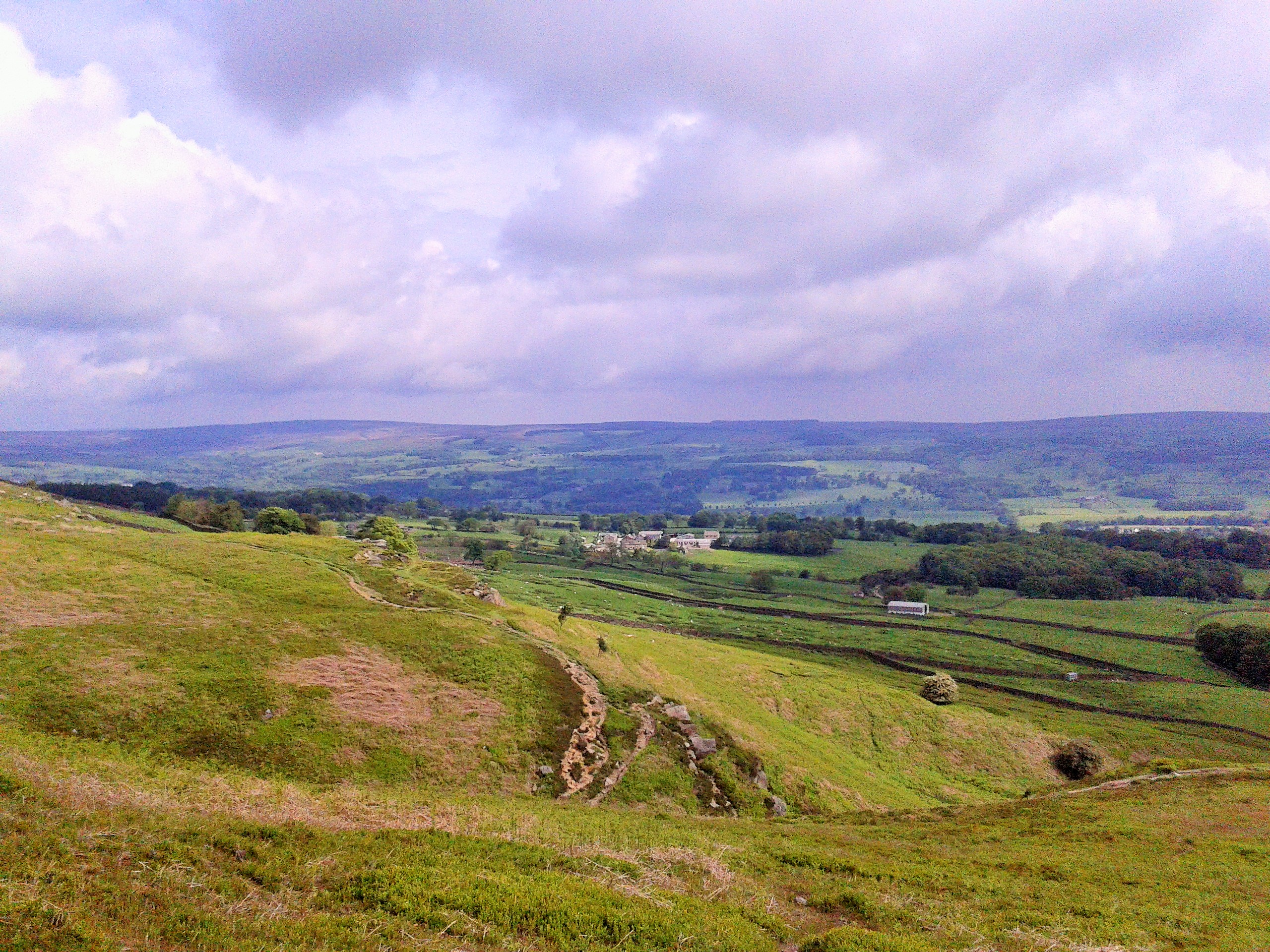
There’s also a fabulous description in Frances Hodgson Burnett’s The Secret Garden of Mary Lennox’s journey through the moors to Mistlethwaite Hall:
‘The carriage lamps shed a yellow light on a rough-looking road which seemed to be cut through bushes and low-growing things which ended in the great expanse of dark apparently spread out before and around them. A wind was rising and making a singular, wild, low, rushing sound.
“It’s–it’s not the sea, is it?” said Mary, looking round at her companion.
“No, not it,” answered Mrs. Medlock. “Nor it isn’t fields nor mountains, it’s just miles and miles and miles of wild land that nothing grows on but heather and gorse and broom, and nothing lives on but wild ponies and sheep.”
“I feel as if it might be the sea, if there were water on it,” said Mary. “It sounds like the sea just now.”
“That’s the wind blowing through the bushes,” Mrs. Medlock said. “It’s a wild, dreary enough place to my mind, though there’s plenty that likes it–particularly when the heather’s in bloom.”
On and on they drove through the darkness, and though the rain stopped, the wind rushed by and whistled and made strange sounds. The road went up and down, and several times the carriage passed over a little bridge beneath which water rushed very fast with a great deal of noise. Mary felt as if the drive would never come to an end and that the wide, bleak moor was a wide expanse of black ocean through which she was passing on a strip of dry land.
 “I don’t like it,” she said to herself. “I don’t like it,” and she pinched her thin lips more tightly together.’
Ross Raisin, who was one of the presenters of the programme, released a book in 2008 called God’s Own Country, which is set on the Yorkshire moors. The book is about a young farmer, Sam Marsden, who develops an obsession with a neighbouring girl. It’s a dark book, but it brings alive the vanishing way of life of the farmer on the moors, with the towns encroaching and the Sunday ramblers.
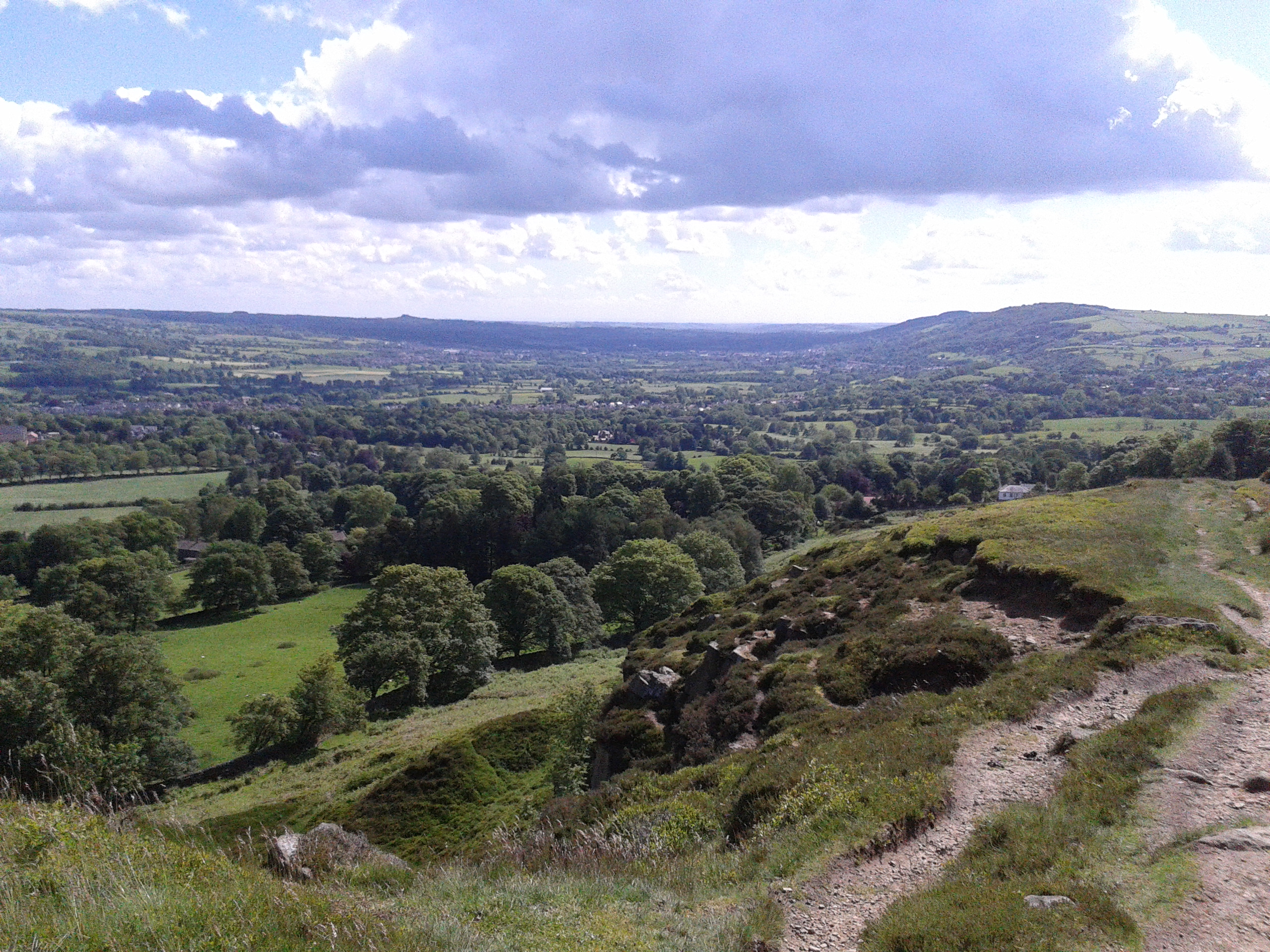
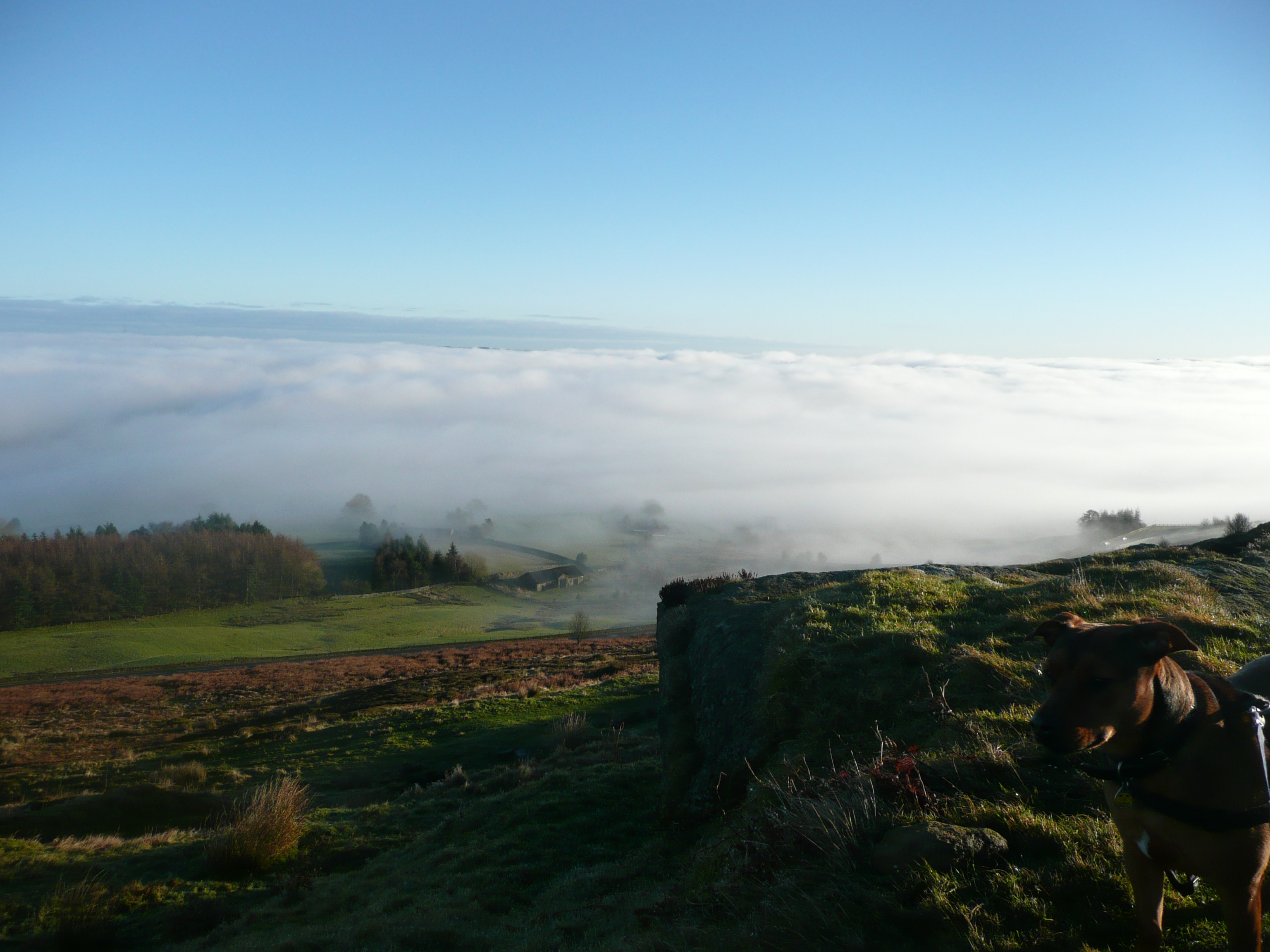
I thought I’d write about this programme today as this is a landscape I’ve come to know well. I’ve added lots of photos, too, of the moors at different times of the year.
Hope you’ve enjoyed the walk through the moors! If you know of any other books which bring this landscape alive, please let me know. And if you live in a part of the world that has a landscape rich in literature, I’d love to hear from you!


 Helena Fairfax
Leave a Reply to Helena Fairfax Cancel reply