


How are you coping?
Since the latest lockdown restrictions here in the UK, this is a question I’ve asked or been asked often. Underneath this short question lies so much more. How are you coping with the lockdown? With having a house full of people working from home? With not being able to hug your loved ones?
With not being able to share your worries over coffee with friends? With only ever seeing your four walls? With having a house full of children you have to home-school, while you’re still trying to do your normal job or – even harder – trying to think creatively?
Losing the plot…
Most people are coping, but that’s just about the level of it: ‘coping’. Wherever I look, there seems to be a low-level stress and anxiety simmering away under the surface. My way of showing stress is through being irritable, and these days my irritability can rise at the slightest thing, and in no time I’ve gone from grumpy to full-blown enraged.

I have an example of this type of stress in a short story I wrote at Christmas about two old friends in lockdown in a care home. Staged, a BBC series I’ve been loving, goes further with this episode and Michael Sheen’s spectacular and moving Zoom meltdown. He was tired and he ‘just wanted a hug’.
On a permanent short fuse myself, that episode particularly resonated with me.
Creativity in a busy house
One difficulty many creatives and freelancers are facing is that they’ve now lost the luxury of working alone from home. Everybody is working from home – even the children. Concentrating is impossible.
Author Debbie Young recently posted on Facebook: ‘Everything seems to take longer during lockdown hence I get less done. Even if you don’t have kids around, the underlying chronic stress that the pandemic causes is debilitating.’
All types of creative people are struggling. I subscribe to Knitting Now and Then, a wonderful blog for knitters/knitting history, and the author wrote this week: ‘Since last March, and the first UK lockdown, I have written very little on this blog. It’s not that I don’t have anything to say – the problem is summoning up the mental energy to say it.’
How do we help our own wellbeing?
In the past week, I’ve been to two online sessions on wellbeing.
The first was the regular meeting of the West Yorks branch of the Chartered Institute of Editing and Proofreading, hosted by editor Helen Stevens of Saltaire Editorial Services.
The second was a webinar on wellbeing, given by Dr Richard Pile, hosted by the northern branch of the Society of Authors. Dr Pile is a GP and author (his book Fit for Purpose will be released in April).
Both sessions were full of excellent tips on how to stay sane. I came away thinking much more positively about how to make changes for myself.
Here are the tips I found most useful from both sessions:
Tip one: Get enough sleep
Getting a good night’s sleep on a regular basis was Dr Pile’s most important piece of advice. He said many of us underestimate the amount of sleep we need, and we underestimate the debilitating effects of lack of sleep on both our physical and mental health.
His tips on sleep:
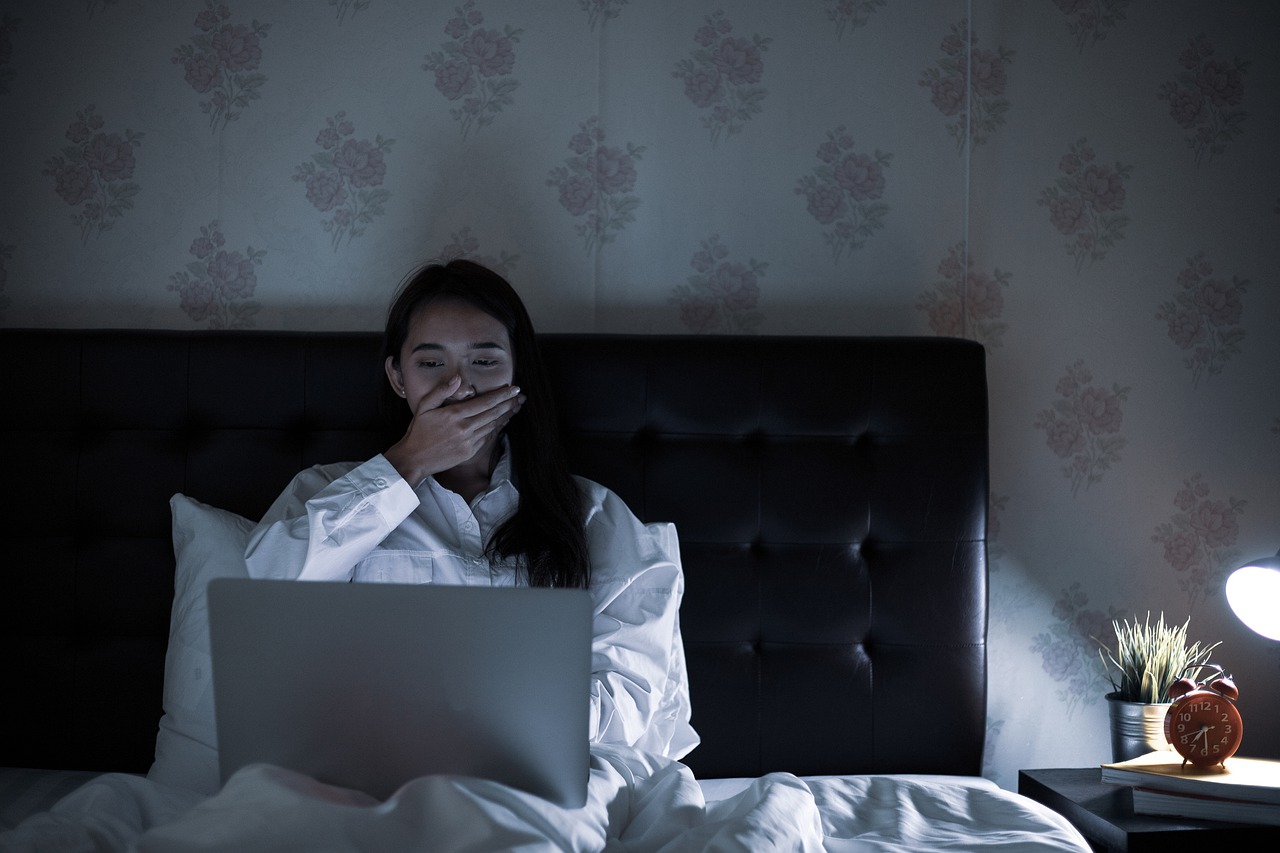
- We need seven or eight hours’ sleep every night. Don’t fall into the trap of thinking you can ‘catch up’ with a long lie-in at the weekend. Get into a good routine of getting up at the same time, and going to bed at the same time every night.
- Try not to use your bedroom as an office or home cinema. Of course, this is difficult if you don’t have much room in the house to work from home. Sometimes rearranging the room between work and bedtime even in just a small way can help – for example, hiding everything on the desk under a nice throw.
- The light from phones affects our melatonin levels and how we sleep. Better not to look at your phone or screen at least an hour before bedtime, and don’t keep your phone in the room.
- Cut down on caffeine, especially in the afternoon.
- Take regular exercise (see below), but try to avoid doing high-intensity exercise later in the day.
- Sleeping pills and herbal sleeping pills don’t provide the same restorative sleep as sleeping naturally. There are times when they are needed, but should only be used to get us through a temporary crisis.
Tip two: Keep active
Human beings aren’t meant to be sedentary. Dr Pile pointed out that our natural state is being made to move, but if you’re working from home, you don’t even have that walk to the bus stop or the station in the morning, or the walk to the sandwich shop at lunch-time.
Tips for home-workers on keeping active:

- Add ‘movement breaks’ to your day. At the CIEP meeting, editor Andy Coulson said he made himself regular ‘appointments’ in his diary to remind him to get up, walk about, or even run up and down the three flights of stairs to his attic office
- Several of the West Yorkshire editors mentioned online yoga classes. Here are some of the recommendations:
- Editor Melanie Thompson uses a standing desk. She gives various options in this useful post, and explains why she chose a VariDesk Cube Corner
- I loved editor Helen Stevens’ idea of an under-desk cycle, which she demonstrated over Zoom. Drier (and safer) than cycling in the Yorkshire winter! And you can link to apps/fitbits for tracking/performance monitoring, etc. If you don’t have much room under the desk, there are elliptical cycles available. Here are some examples at DeskCycle
- Making your heart rate go up is more important than doing a lot of steps. High intensity interval training can be done even in a small space. There are some examples of exercises here – but if you’re starting from zero, just simple stuff like making sure you don’t rely on others to bring you tea/coffee can help. Several smaller movements throughout the day is better than blasting it out once a week
Tip three: relax
Well, this is easier said than done. I imagine for some people, leaving a stressful office environment to work in the comfort of their own home might be a welcome move. As a writer and editor, I was already working from home, and so were most people I know. Now we have lots of others working from home, and some people I know have a house full. How can you possibly relax?
Besides this, we’re locked down and living in a pandemic. As Dr Pile put it, ‘the baseline of stress has been raised across the world.’ He said that once you’re entrenched in a mindset of anxiety, it’s difficult to change, so instead of changing your mindset, change your movement. His main tip is:
- Breathe. Take a quick breath in, hold it, and breathe out slowly. This simple act can start to break the cycle of stress
- Make time for yourself. This is something all freelancers have to learn to do. If you’re suddenly plunged into working from home, you can feel ‘on’ all the time. Remember to treat it as a 9-to-5 and keep evenings/weekends free
- For freelancers, editor Dawn Leggott recommends making sure you give yourself a holiday and have it earmarked in the diary. Even if lockdown means you have to spend that holiday at home, make sure you have a week (or two weeks) marked off where you do nothing but relax
- Read for pleasure. Immersing myself in a book is one of my top ways to relax, and it’s no surprise to find the type of uplifting novels I like to write are popular at the moment
- Take up a craft. There is nothing like creating something to lift the spirits. I mentioned I loved knitting and gardening, but you don’t have to learn anything new. I downloaded a Free Photobooks app and started organising my phone photos to create a photobook. I felt genuinely uplifted looking through my first book of happy memories
- Connect with nature. Even if you live in the city, and even though it’s winter, take a walk outdoors every day. (I used to use walking time for thinking time, but since I started posting photos on Instagram, I take far more notice of my surroundings and the changing of the seasons. I notice the difference in my state of mind if I don’t take a daily walk.)
- Many people swear by meditation. Apps recommended by both authors and editors were: Headspace; Headspace on Netflix; The Calm app for both meditation and sleep
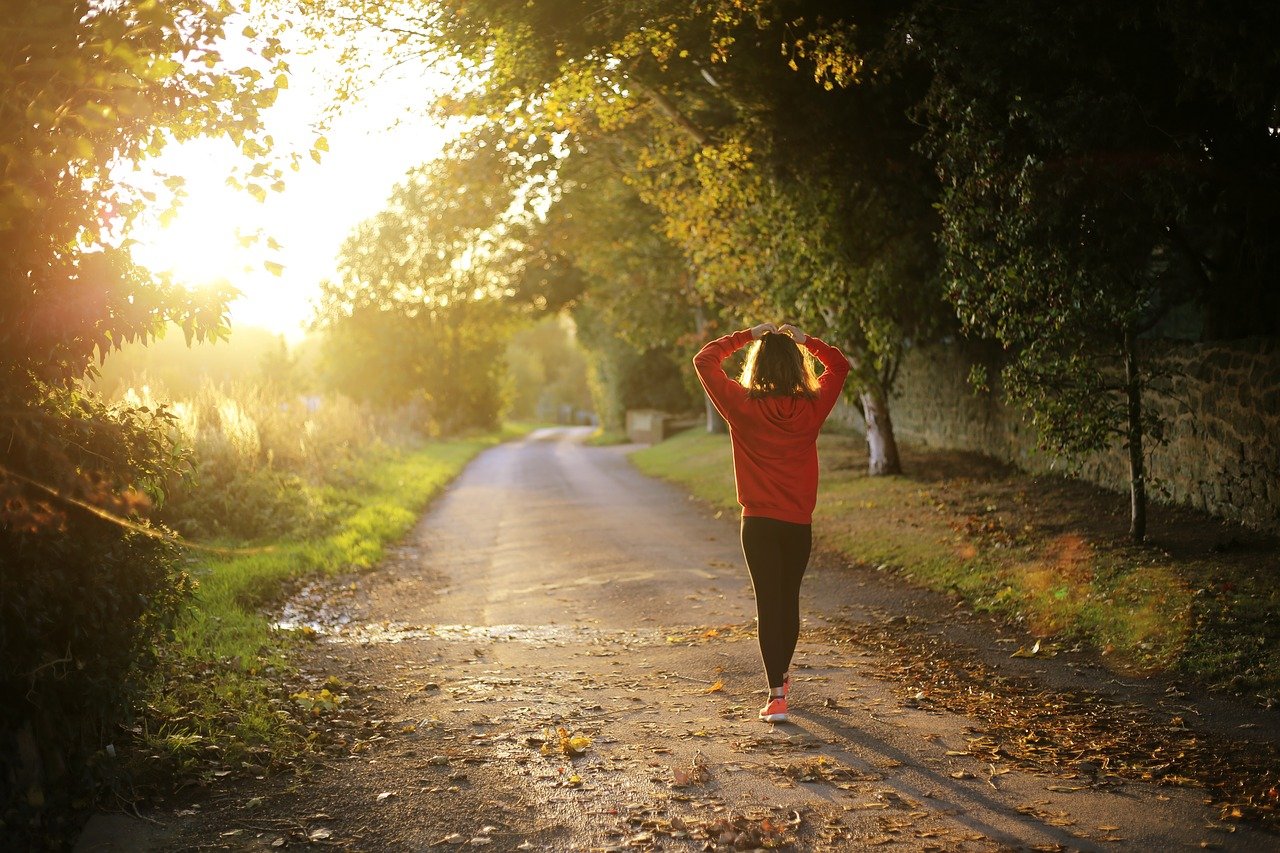
Tip four: be kind to yourself
If you’re a freelancer working from home, you’ll be used to deadlines. Interestingly, many editors in our recent meeting said that, despite deadlines, in general freelancing has given them a much better work/life balance than being in employment.
With my editing hat on, although I’ve been extremely busy, I haven’t struggled particularly to concentrate while working from home during lockdown.
When it comes to writing fiction, it’s different. I find writing uses a different part of the brain to editing, and during lockdown I’ve found it extremely difficult to think creatively. I find this very hard to deal with, I get frustrated, and convince myself I’m failing. (And I’m lucky – unlike some, I don’t have small children at home that I also have to now home-school.)

(Image by feelgoodjunkie from Pixabay)
It’s no wonder many writers are feeling too overwhelmed to write.
Another piece of wellbeing advice from Dr Richard Pile was to surround yourself with supportive people. Of course, this has to be done remotely now, but it is possible. I’m a member of the Alliance of Independent Authors, and their Facebook forum is extremely helpful and supportive.
This advice from ALLi member Debbie Young on trying not to get too anxious about your word count resonated with me:

‘I consider a day a success if I complete one task on my to-do list and anything else is a bonus. Maybe the thing to do is to change your daily writing targets so you’re not trying to write x words but to write uninterrupted for x minutes – even if it’s only 10 minutes a day.
Having done something makes a psychological difference and also keeps your story fresh in your mind. I have also been struggling to write every day on my WIP and have not met my targets for word count, but am managing to write every day.
Getting a pep-talk by reading Helena Halme’s little book Write Every Day helped too. (It doesn’t take long to read so shouldn’t be too hard to fit into your already busy schedule!) Also ahelpful mantra: ‘What gets done first gets done’ – so try to do your writing early in the day, before all your time is spoken for.’
Debbie Young is also a member of the Romantic Novelists’ Association, another immensely supportive group, both in real life, and online. I’ve made many friends the RNA, and my fellow authors of the Miss Moonshine anthologies are a particular source of support.
*
I hope you’ve found the tips from my editors’ and authors’ online meetings as useful as I have. If you’d like to listen to Dr Richard Pike’s talk, it’s still available here.
How are you coping with the restrictions during the pandemic? Do you struggle to think creatively at the moment? If so, how do you cope?
If you have any comments or suggestions, I’d love to hear them.


 Helena Fairfax
Leave a Reply to Blog appreciation: January | Responsive Editing Cancel reply