
This month’s authors’ Round Robin is all about character, and the inspiration for the topic comes from author Connie Vines.

Jane Eyre, James Bond, Harry Potter, Fagin, Bridget Jones and Anne of Green Gables – human beings are always interested in the story of other human beings, and we remember the characters in a story much longer than any of the plot twists. One of the most common reasons readers say they put a book down is that ‘they didn’t care for the characters’.
Making readers care
‘Make me care’ is one of the top tips of Pixar writer Andrew Stanton – but this isn’t at all as easy as it sounds! In my work as an editor I’ve often felt the characters in a manuscript aren’t coming across as well as they could. It’s not enough to tell a writer ‘the characters need to be more engaging’. I have to give very good reasons why I feel this way, and if possible give some suggestions on how to make the characters more compelling.
So here, in no particular order, are my…
9 tips on crafting compelling characters

Tip One: Make your character an underdog
There’s something in human nature that makes us care about victims, people who are having a hard time or being unfairly mistreated. There are lots of examples from fiction: Jane Eyre bullied by her cousins, Oliver Twist born an orphan, Cinderella in the kitchen, the sisters in Little Women and a Christmas with no presents, and so on.
If your character is facing a struggle from the opening, whether it be something dramatic like being attacked by aliens, or just dealing with a mean boss at work, readers will root for them from the start.
Tip Two: If your character is in charge, have them do something kind
But what if your character is the mean boss? How do you get readers behind them? In his book on screenwriting, Save the Cat!, Blake Snyder suggests having the high-status type of character perform an act of kindness in the opening – that is, literally saving a cat.
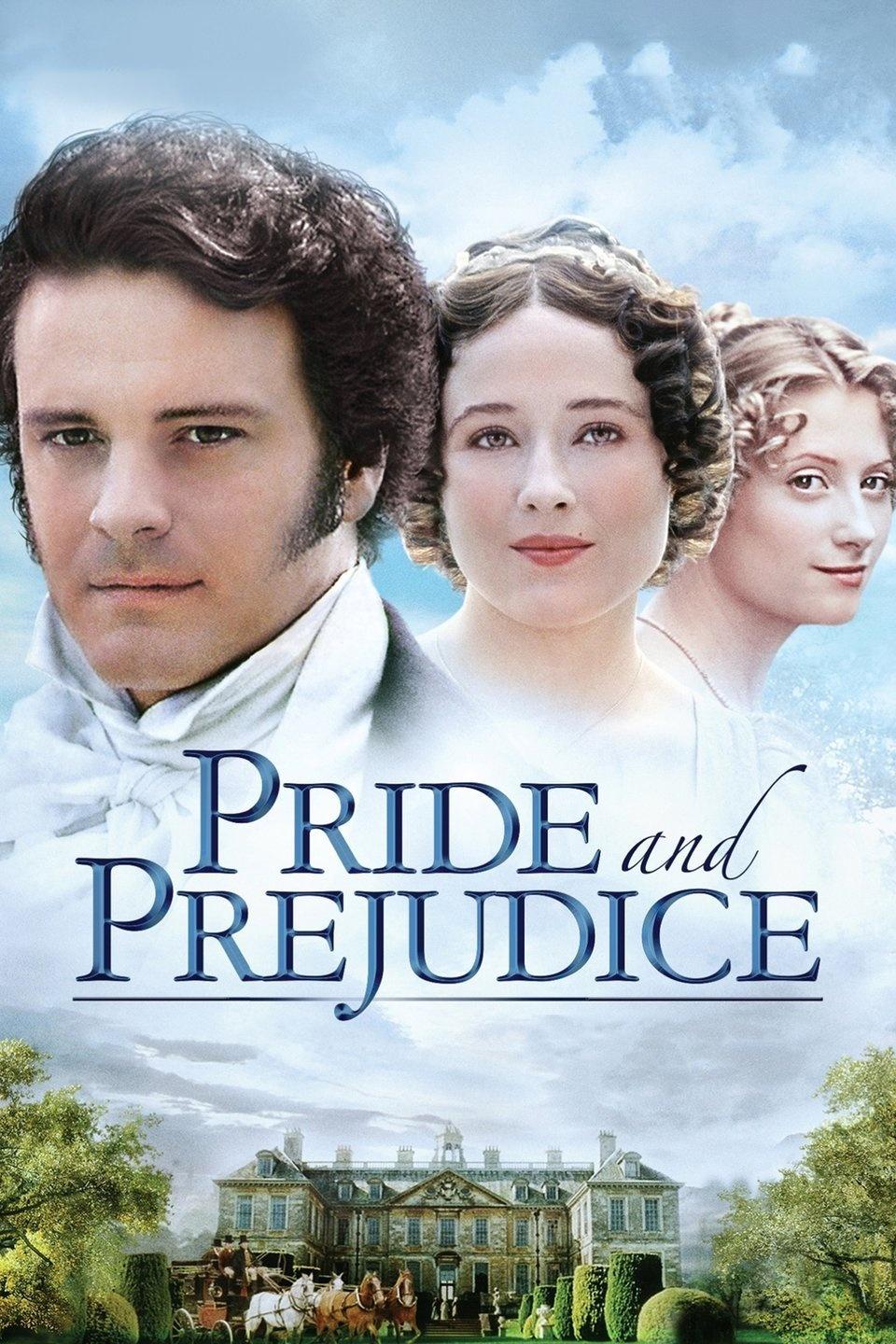
I often suggest using a secondary character to show how this character isn’t such a bad person underneath everything. Perhaps the grumpy boss visits her elderly dad every day, and he’s equally grumpy with her, and she’s patient with him. Or an example I often quote is Mr Darcy. He has all the power and status in the opening, and he knows it – but he also has a great friend in secondary character Mr Bingley, so readers will intuit he must have something likeable about him, and he’s worth sticking with.

Tip Three: Give your character at least one great quality
OK, it may seem like a given that your main character has some sterling qualities, but I’m thinking here of the not-so-likeable characters – people like Scarlett O’Hara in Gone with the Wind. Scarlett is self-absorbed and spoilt, and in the opening she’s from a rich family, and no underdog. What is there to recommend her, and why do readers stay with her?
She’s not afraid to go for what she wants, and she doesn’t care what people think about her. Women at the time this book was published (and even nowadays) are raised to be people-pleasers, and Scarlett’s attitude as heroine is a refreshing change. She’s also brave and determined, and she’s inspired a life-long love in Rhett Butler…(…and when she blows it, somehow we’re still rooting for her).

Tip Four: Give your character a goal
What does your main character actually want? A character with no purpose is hard to get behind, and a purposeless character doesn’t make for a story. It doesn’t have to be a monumental goal, like saving the planet, or solving a murder. It can be something quite ordinary. In The Wizard of Oz, all Dorothy wants is to get back home. In Jane Eyre, all Jane wants is to earn a living for herself. But it’s the actions they take while pursuing their goals that drive the story. Which leads to…
Tip Five: Make your character active
You can write a story where lots of things happen – but if lots of things are happening to your main character, and they aren’t actually taking any action themselves, this makes them appear passive. It’s actually surprisingly easy to fall into this trap.
I’ve read quite a few manuscripts with a lot going on, but the main character is sitting around waiting for these events to happen. Again, you don’t have to have your character grabbing a sword and rushing out, but your hero or heroine needs to be someone who does something, rather than waiting – even if it’s only going to visit her sick sister, as Lizzie Bennett insists on doing in Pride and Prejudice, despite the muddy walk.
Tip Six: Make your character good at something
Readers like a character who is competent. Jane Eyre wouldn’t have been so relatable if she was slack and a rubbish governess. On a similar theme, your character may start off at the bottom, as an underdog, but no one likes a moaner. Rather than complaining or bemoaning their lot, the best characters strive to work their way out of their predicament.
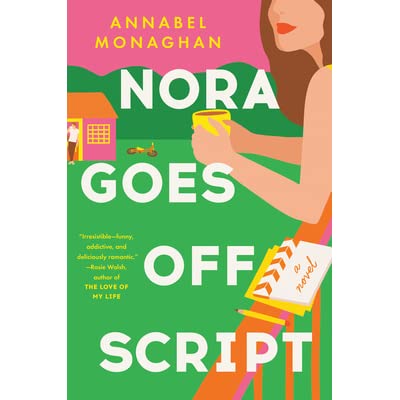
I’ve just finished reading Nora Goes Off Script, by Annabel Monaghan, which I loved. The heroine is a single mum and makes a living writing cheesy Hallmark movies. It’s not the career of her dreams, but she needs the money, she gets on with it without moaning – and she’s really good at it.

Tip Seven: Don’t make your character perfect
Having said that, don’t make your character perfect. In the opposite to tip six, Bridget Jones is terrible at her job! But she tries her best, she doesn’t slack off and she keeps on going. Anyone who’s ever made an idiot of themselves in the workplace (which is most of us) will relate.
Tip Eight: Give your character as hard a time as possible
Stories are about a point in a character’s life when they are forced to confront something. Don’t make things easy for them. As you write your way into the novel, and once you get to know your characters, it can be tempting to let them off the hook. As writers, we get to know and love these people. I’ve read quite a few manuscripts where halfway through things appear to be going swimmingly, and I’ve felt the author was being too kind to her creations :) But giving your character a hard time will not only keep the all-important tension raised, it will help your character grow and develop. Which leads to…
Tip Nine: Give your character room to grow

What does your character learn as they are forced to confront the events you’ve created for them? It’s the character’s arc (the way they change and grow) that makes them particularly relatable, interesting and meaningful to the reader, and that can cause readers to feel the most emotion.
Of course not all characters have to grow (I’m not sure Sherlock Holmes changes, for example), but giving a character room to grow is at the heart of romance novels in particular – the genre I love to read and write. Unless the hero and heroine change by, for example, overcoming their pride or prejudice, they won’t be able to come together.
*
In this short post,I haven’t room to do justice to each of these nine tips on creating character. There’s so much more could be said for each one. For further reading, I recommend Get Your Story Straight, by Diane Drake, and Writing for Emotional Impact, by Karl Iglesias. Both have great sections on creating compelling characters.
And if you’d like to check out what the other authors in our Round Robin have to say on this topic, please click on one of the links below!


 Helena Fairfax
Leave a Reply to Rosemary Gemmell Cancel reply