

It’s another month, and another authors’ Round Robin. This month our topic has been set by author Skye Taylor…

Plotting or pantsing – which method do you prefer?
Since this question is all about creating story structure, I’m answering with my developmental editor’s hat on.
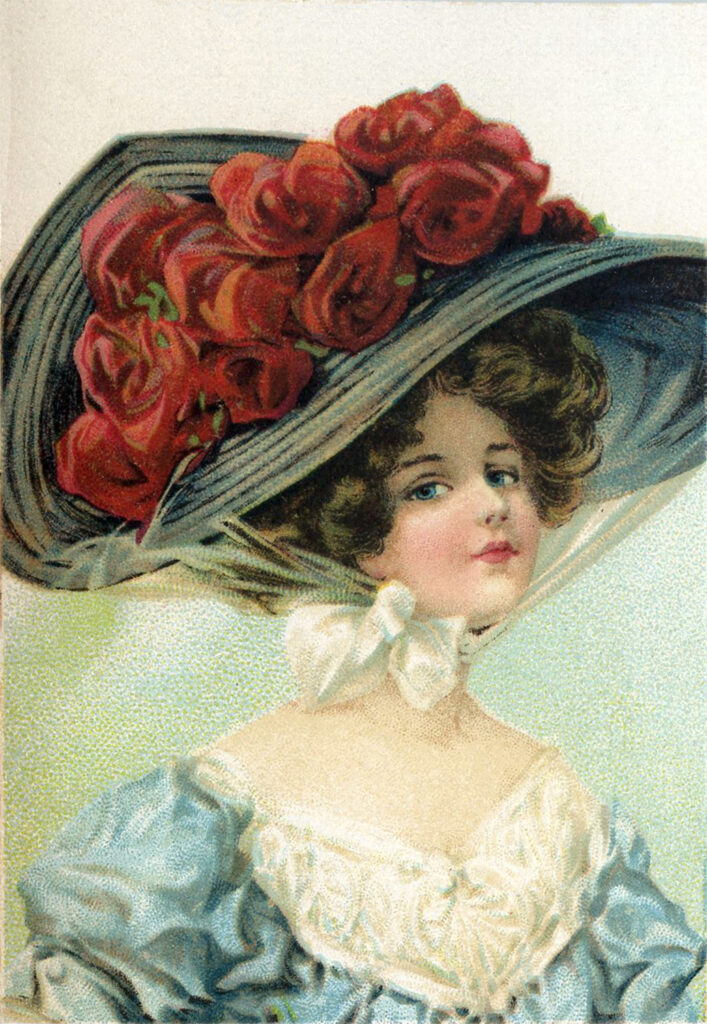
(I don’t really have a developmental editor’s hat, but if I did, it would be brilliant if it looked something like this.)
Creating story structure
Giving feedback on a story’s structure is one of those tasks I find particularly difficult as a fiction editor. This is because every writer has their own way of structuring a story, and what works for one person can totally ruin the creative process for another.
In my own writing, I have an outline. I know where I’m starting and ending; I know the chief personality traits of my characters, and I know what needs to happen for them to get the happy ending they deserve. I don’t like to plan every single chapter, because then the story would be done with in my head and I’d find that thoroughly boring to write up. I like to let ideas bubble and ferment as I’m getting the basic story down. This is why I wrote in this post on ‘Why the best ideas often come after you’ve started writing’.
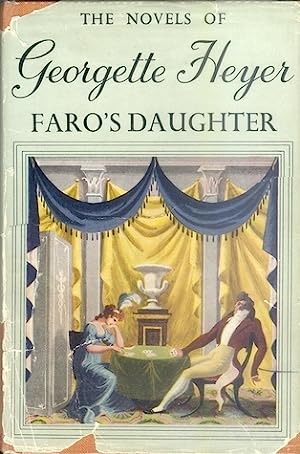
I was interested to read in this biography of Georgette Heyer, by Jane Aiken Hodge, that Heyer wrote her novels in a similar way. She would write letters to her publisher saying things like, ‘I expect you want to know how my hero ends up in the same town as my heroine. Let’s not worry about that one now. All will become clear as we go along.’
Focus on your story’s core idea
It helps that I’m quite a focused writer. If I have a new idea, it will fit in with my overall outline. I don’t find it hard to stick to the core idea, without drifting.
Which leads to the piece of advice I most often give in developmental feedback: focus, focus, focus.
What is your story about?
Whether you’re a plotter or a pantser, you need to be able to answer the simple question: what is your story about? And ideally you should be able to answer in a line or two. This may seem reductive, but if you can’t answer in a line or two, this can be a sign that the story is drifting.

Here are just a couple of examples:
To Kill a Mocking Bird is about a lawyer who tries to defend a black man falsely accused of rape by a white woman. The story is narrated by his six-year-old daughter, whose innocent, child-like view casts a spotlight on racial prejudice.
A Tale of Two Cities is about the lives of two very different men – Charles Darnay, an exiled French aristocrat, and Sydney Carton, a self-centred but brilliant English lawyer – who both fall in love with Lucie Manette. Because of love, Sydney Carton makes the ultimate sacrifice for Lucie and Charles, and proves himself to be a hero.
These are the core ideas of these two novels. Perhaps you have a great idea for a story. It’s when you come to write an entire novel around it that the difficulty starts. (Writing a novel isn’t easy!) You may find yourself running out of steam halfway through. The temptation then is to throw in another idea, to keep the reader’s interest, and to drift off for several chapters with some great scenes involving unrelated characters or a new source of tension.
Or perhaps you’ve simply got bored. After all, writing a novel takes time, and it may be many months since your first exciting lightbulb moment. But remember, a novel isn’t just a series of great scenes. A series of scenes, no matter how well written, will start to become dull. Every single scene and piece of dialogue, and every single character, needs to be there to serve your core story. Each scene has to be there to drive the story forward or reveal something about one of the characters. It helps to ask yourself the question: if this scene or character were cut, would it matter? If the answer is no, then why not just cut?

Character depth and story structure
One of my favourite tips is: ‘Be brave!’ Don’t create characters and then run away from them to create someone new. Stick with your characters through thick and thin and page after page of writing. If you do, you (and the reader) will get to know them like real people, and your characters will have the depth they deserve.
There is so much to say about developing story structure, it’s impossible to fit it all into one blog post. A book I’ve personally found useful is Get Your Story Straight, by Diane Drake. It’s aimed at screenwriters, but it’s clearly laid out and I really like the examples she uses.
I know lots of other writers who swear by Save the Cat! Writes a Novel, by Jessica Brody. If you like this way of working, you can find the Save the Cat! structural outline summarised in this useful blog post on Plotting Save the Cat.
There is also K.M. Weiland’s excellent blog series and her related books on story structure.
*
I’m always curious to know how other writers work. How do you structure your own story? Do you do a lot of work in advance, or do you find you work best as you’re writing? What advice on story structure have you found useful? If you have any tips, please do let me know in the comments.
And if you’d like to know how the other authors in our Round Robin have approached this topic, please click on the links below. Happy writing!
Marci Baun http://www.marcibaun.com/blog/
Dr Bob Rich https://wp.me/p3Xihq-2X1
Anne Stenhouse http://annestenhousenovelist.wordpress.com
Skye Taylor http://www.skye-writer.com/blogging_by_the_sea


 Helena Fairfax
Leave a Reply