

Another month, another writers’ Round Robin. And this month our topic is a question many novel writers have grappled with at some point.

How do you fix a saggy middle?
Imagine you’re a writer with a killer opening. You spend the next few chapters setting up your characters and the premise of the novel. You also have a great ending, with a nail-biting finish that will have readers gripped. That will deal with 40,000 words. But you want to write a novel, not a novella. Once the story is underway, have you found you’re running out of ideas to keep readers glued to the page?

As a writer as well as an editor, I feel your pain.
Here are seven tips to avoid a saggy middle that I’ve either used with my own writing, or suggested in editorial feedback.
Tip One: What’s Your Story About?
‘What’s my story about?’ seems a simple question, but can you answer it in a line or two? It may seem overly simple, but if you can’t answer in a line or two, this can be a sign your story is going off track.
Some writers find it helps to keep their novel’s two-line premise written on a Post-It note by the keyboard as a way to remember every single scene, piece of dialogue and character introduced needs to serve this premise in some way.

But how do you keep readers interested in the same premise? I’ve written previously with some tips on keeping the story’s focus. And here are more tips on avoiding the saggy middle:
Tip Two: Raise the Stakes
Your story’s two-line premise will often contain the main character’s goal. What do they want? Is there a way to raise the stakes for them halfway through as they try to pursue their goal?
I write romance – a genre looked down on by many, but my feeling is this is the hardest genre to write, precisely because of the ‘saggy middle’ problem’. How many times in a crime novel have you seen the writer raise the stakes halfway through by having the murderer kill again?
If you’re writing romance, which is character-driven rather than plot-driven, how do you raise the stakes in a developing relationship?
Romance novels revolve around conflict. That is, the hero and heroine have opposing goals that mean they can’t be together. Take a look back at your two-line premise. What do your hero and heroine want? What can you introduce halfway through to make this much more difficult, or to increase the jeopardy if they fail?
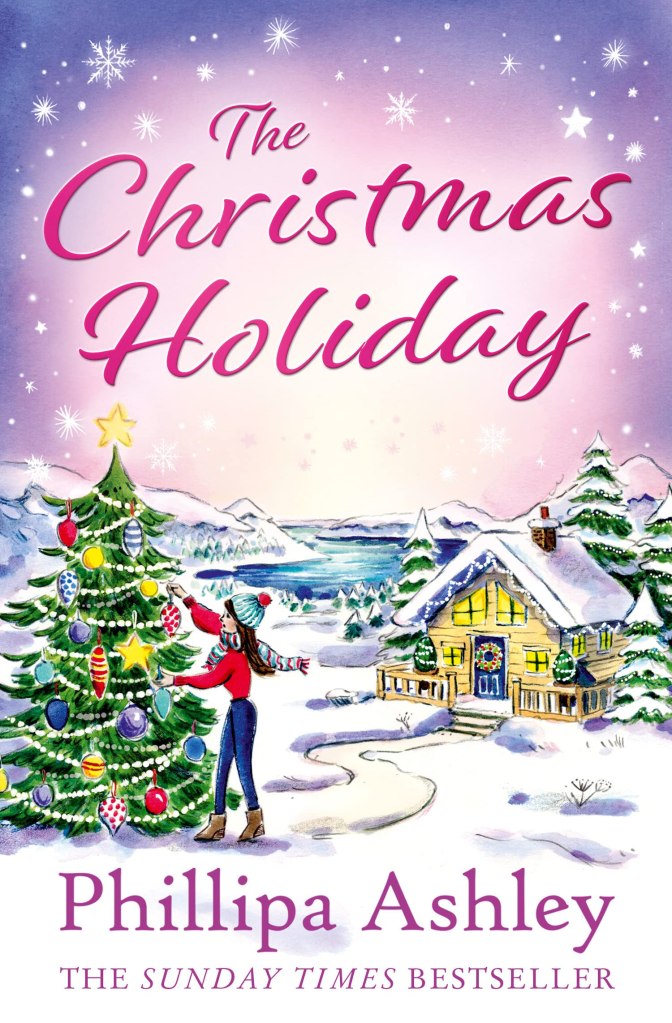
Here’s where it helps to read widely and see how other writers have done it. A quick couple of examples: in Phillipa Ashley’s The Christmas Holiday, the heroine wants the perfect Christmas and is trying to show the grinch of a hero it’s the best time of year. Halfway through the author throws a flood in the heroine’s way.
I first read Pride and Prejudice as a teenager. Lizzie Bennett is trying to avoid proud, arrogant Mr Darcy. Halfway through the novel, completely out of the blue, he proposes. As a way to avoid a saggy middle, this literally had my jaw drop open. Introducing an unexpected surprise that throws the character is a great way to keep the reader’s attention.
Remember, though, that everything needs to be related to the main premise. This leads to the next tip:
Tip Three: Have Your Characters Change
In a romance novel in particular, the main characters need to change in some way in order to get the happy ending they deserve. Think of what you are throwing at your characters halfway through the novel. How will this affect them? How will they change?
In Pride and Prejudice, when Lizze rejects Darcy for the first time, she tells him his behaviour is ‘not that of a gentleman’. This has a profound effect on him, and from this point he begins to change.
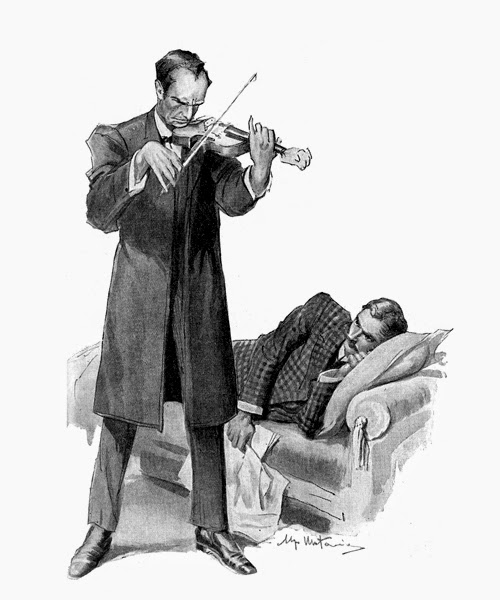
Of course not all characters have to change. Sherlock Holmes remains pretty much the same throughout all the stories. But you can use the middle chapters of the novel to show your main character’s strengths and flaws. How will they deal with the obstacle you’ve just put in their way? Do they take drugs and play the violin for hours, like Sherlock? Or do the take impulsive action?
This sort of question leads to the next tip:
Tip Four: Use the Saggy Middle to Show How the Characters Relate to One Another
In a romance novel, the narrative revolves around the two main characters’ relationship. Many books have been written on plotting out the developing romance. (For example Romancing the Beat, by Gwen Hayes.)
But how do your characters relate to secondary characters? Secondary characters can be a great foil. Sherlock Holmes might be an extremely cold character if it weren’t for the friendship of Dr Watson, or his affectionate relationship with Mrs Hudson. Is there a way to use your secondary characters, either to show your main characters’ strengths/weaknesses, or to test them again with something unexpected?
This leads to tip five:
Tip Five: Introduce a New Character
If everything is going swimmingly by the halfway point, and the characters’ relationships have nothing left to offer the reader, what if someone new arrives?
In Pride and Prejudice, the arrival of Mr Wickham and the rest of the military causes a stir that has consequences for the rest of the novel. And who can forget Richard Mason, a completely new character, standing up at Jane Eyre’s wedding to say it can’t go ahead?
This new person can be a great opportunity to shake things up and cause your main character a problem. Remember, though, if you do introduce a new character, it can’t just be for the sake of it. A new character with no real purpose except novelty is only contributing to a saggy middle. Ask yourself how will this new person affect your main character’s goals and relationships? And the core premise of your novel?

Tip Six: Change the Setting
By the halfway point of a novel, your characters – and your reader – are familiar with their surroundings and the people around them, and everything is routine.
What if the main character is forced to go to a new place? How will they react? How will this new location/new people test them as a character?
To go back to Pride and Prejudice, Lizze leaves home for a while to stay with her friend Charlotte. It’s here that Lizzie is thrown into the company of proud and stiff Lady de Bourgh, and we also see how Charlotte lives after her marriage to Mr Collins. This new setting reveals both Lizzie’s strengths and her flaws, and changes her as a character.
Tip Seven: Cut, Cut, Cut
‘The only kind of writing is rewriting’ is a famous phrase of Ernest Hemingway’s. Tip seven is related to tip one: what is your story about? Perhaps you’ve introduced a surprise for the hero, or a new character, or changed the setting. How do these relate to your main premise? Do they fit the story? Do they affect the character’s goals? Do they cause the character to change?
If the answer is ‘no’, and these are just introductions to try and keep the reader’s interest, then ultimately they’ll have the opposite effect and the reader will put the book down.
Don’t be afraid to cut a great scene if it’s not working with the overall story. You can always save it and see if it will fit the saggy middle of your next novel.
***
I hope you’ve found these seven tips on avoiding a saggy middle useful. The best tip – and one I always have to remind myself – is don’t give up! You’ve come this far with your characters. Only your hard work and determination will carry them through the middle to that ending you have in mind for them.
If you’d like to see what the rest of the authors in the Round Robin have to say about their own saggy middles, click on the links below!
Dr. Bob Rich https://wp.me/p3Xihq-322
Anne Stenhouse http://annestenhousenovelist.wordpress.com
Connie Vines http://mizging.blogspot.com/
Diane Bator http://dbator.blogspot.ca/
Skye Taylor http://www.skye-writer.com/blogging_by_the_sea


 Helena Fairfax
Leave a Reply to Helena Fairfax Cancel reply