

Have you ever wondered what goes into making an audiobook? As a reader, do you often listen to audio?
In the past three years, out of ebooks, paperbacks and audio, audiobooks have had the highest year on year growth. Michael Sum and Stewart Storrar of Voquent, a voiceover agency, have kindly offered to answer a few of the questions you may need answering if you’d like to turn your own books into audio.
Making an Audiobook: The Basics You Need to Know
by Stewart Storrar and Michael Sum
Making an audiobook can be challenging but very beneficial, with some authors reporting audiobook sales are running 2:1 over the physical book. A few common questions that circle in the author sphere are:
- How do I record my audiobook?
- How do I get my audiobook onto Kindle?
- Can I record using any microphone?
This article will help you answer all those burning questions!
Let’s dig into the very basics that you will need to know.
Do I need an audiobook?
Not every book makes a good audiobook. Image-heavy books such as interior design books, for example, or many reference books clearly wouldn’t work well in audio. But if you’re writing fiction, or biographies, or self-help books, or history, an audiobook can sell well.
If you decide your book will work well in audio, the first thing to do is to consider your budget. Producing an audiobook is not a cheap endeavour if you want to do it properly, but it is undoubtedly rewarding. If you have the means to make an audiobook, we would certainly encourage you to do so.
Making an audiobook can expose your writing to whole new audiences, such as those with sight loss and other disabilities that make reading tricky. They are also a great way to connect with audiences who prefer to engage with their media content passively.
More people use audiobooks in their cars, in the gym, or while out for an evening stroll. While these people may read eBooks or traditional paperback, it has become easier to consume on the go. It is this factor that has contributed to the unprecedented growth of the ePublishing industry.
An audiobook version of your manuscript can also open up doors for your author brand. Being known to bring high-quality books to readers and high-quality audiobooks to listeners will only help your following grow.
Great! So, how do I get an audiobook made?

When considering how to make an audiobook, there are a few methods to consider. You can get a professional voice actor or voice-over agency like Voquent to handle the production aspects. They will deal with all aspects of your audiobook production, from recording to editing the files and sending the complete audiobook to you for distribution. A production company, agency or voice actor will not typically handle your distribution. That will always be down to you unless you are publishing via a traditional publishing house.
Outsourcing the production work to professionals, for many, is the fastest and most efficient way to get an audiobook made. They can help with casting too. Many authors do not have the time to listen to dozens of voice talent demos or know where to start briefing the voice talent. Some technical knowledge is also needed to get the audio captured in the correct format at optimal quality, along with the investment required in high-end equipment.
However, if you have time on your hands, there are many avenues for hiring professional narrators directly, such as ACX and freelance platforms like Upwork. If you follow this route, make sure that you don’t buy too cheaply as this could reflect the equipment and process they are using. Recording an audiobook of 80,000 words can take many narrators around five days + another 2-3 days of editing.
The other alternative is recording the book yourself. If you’ve never acted or spoken at length, this will be challenging. I recommend a couple of months of coaching before you start. You will also need equipment. Let’s take a look at that in more detail.
The recording process
Step one is all about the equipment. If you are looking to produce a professional product, you will need to use professional hardware. So, to that end, buying or renting the necessary tools is paramount.
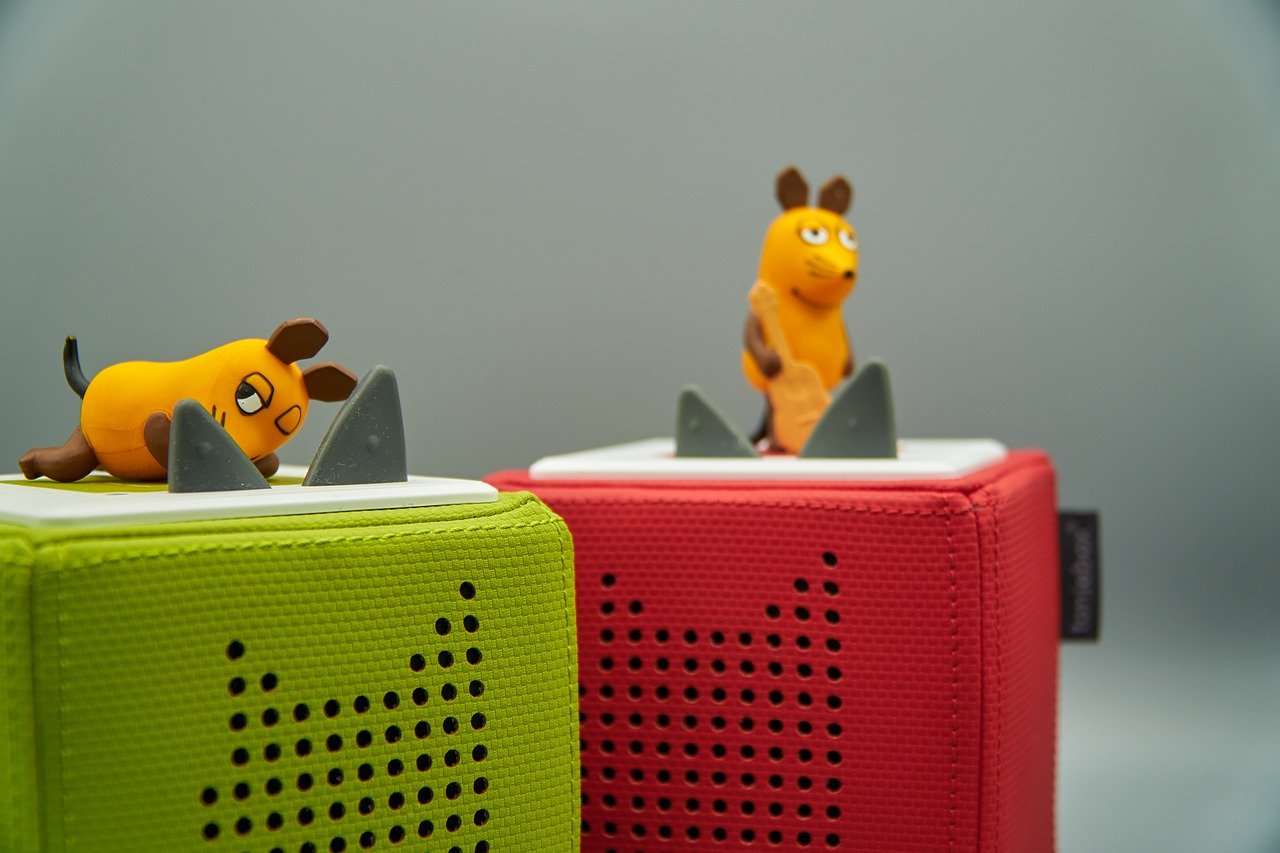
– A condenser microphone
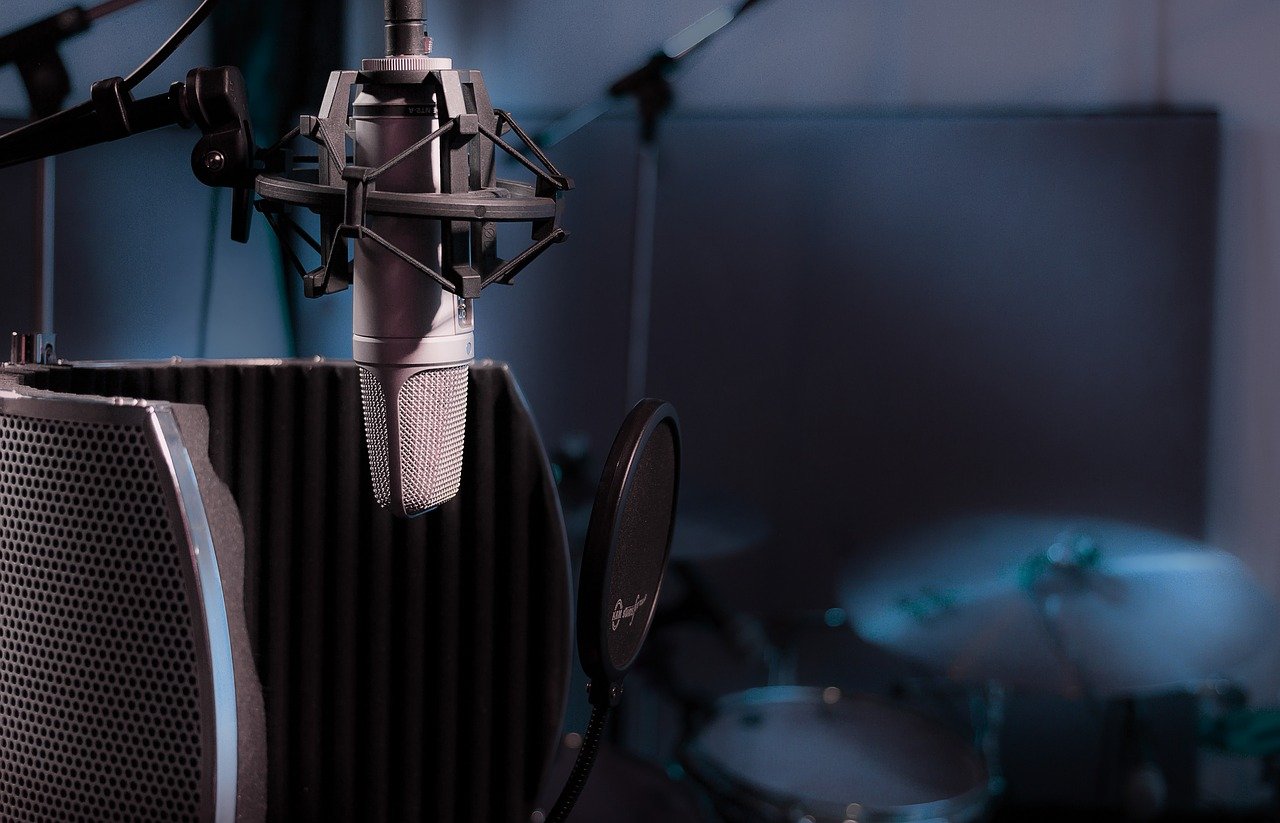
– High-quality closed-back headphones
– A pop-shield
– Home studio setup
– PC/MAC
– Digital Audio Workstation (DAW)
This seems like a lot, but it’s really the bare minimum – and it’s much less scary than it looks.
A good microphone and headphone getup is a priority. These will ensure quality recording and playback of your voice. The better these are, the higher quality the raw file will be before editing.
Closed-back headphones will help immerse you in the audio you are editing. They will also ensure that you remain focused by blocking out noises around you. A condenser microphone is a mic that will pick up the faintest of sounds – it is the best choice for the job. However, it is pretty sensitive, and you will also need a pop-shield, which will filter out imperfections in regular speech. The condenser mic’s extra sensitivity means that you will also need to treat your surroundings acoustically.
Treatment can range from as simple as putting up sound-absorbent curtains and rugs to full treatments with professional panelling. These are necessary to minimize reflections or echoes from your audio recordings. Not preparing your room will make your audio sound reverberant, and it won’t pass Audible’s guidelines. We have guides available on Voquent.com if you wish to learn more.
If this all seems too much, recording at a local professional studio is always an option. Studio + engineer hire can be pricey, but the recording quality will speak for itself.
Editing
A PC/MAC and DAW are requirements. The use of a computer should be reasonably evident, but the DAW perhaps is less so.
Your DAW is your command centre for editing. From here, you will record your audio, edit it, and then export the final product ready for distribution as an audiobook.
There are plenty of great options for your choice of a workstation. Applications like Adobe Audition are excellent paid user-friendly options. However, Audacity is incredible too, which is a lovely free alternative for anyone dipping their toes into editing for the first time.
While there are a bunch of functions in editing software, an audiobook should be simple. Over-editing or over-compressing your sound may make it come off as tacky or wheezy. So, make sure to get as high-quality a recording before you start editing. It will make your life much easier later.
Concluding thoughts
There are all kinds of ways to turn your audiobook dreams into audiobook reality. If you feel up to the challenge, doing it yourself could be an incredible experience. You might be the next Stephen Fry!
However, if you want to get the job done right, contacting professionals can be the right call to save you the hassle.
No matter what option you choose, I look forward to listening to your audiobook!
Best of luck!
*
Thanks very much, Stewart and Michael. I’ve been wondering for quite a while about what the process involved. Thanks for dropping in with your tips and advice. That’s answered quite a few of my questions!
If you’ve enjoyed the post on audiobook recording, or if you have any questions or comments at all, please let us know. We’d love to hear from you!


 Helena Fairfax
Leave a Reply to Marsha R. West Cancel reply